 Injury Risk
Is Manual Handling a Critical Risk?
Is Manual Handling a “Critical Risk” in the new Health and Safety at Work Amendment Act 2026 Short answer: Yes it does. But not in...
Read more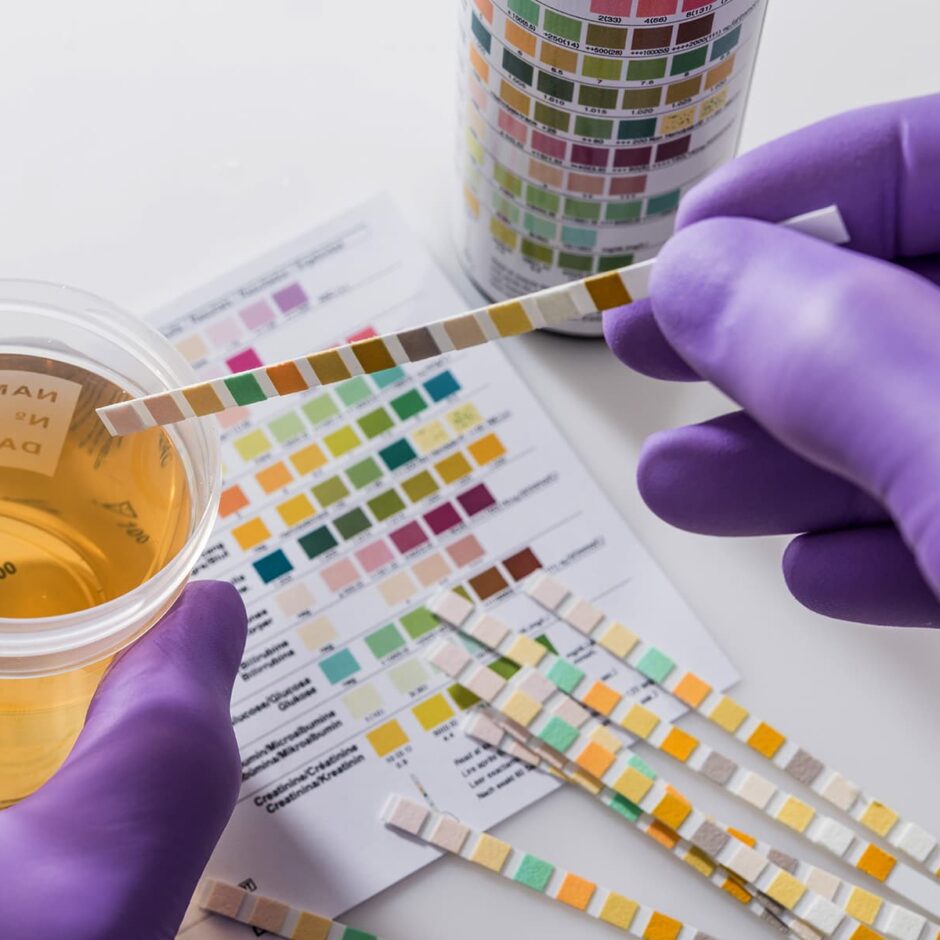
The primary benefit of drug and alcohol testing is the potential to significantly reduce accidents and injuries in the workplace. Workers under the influence of drugs or alcohol are more likely to make errors in judgment that can lead to serious accidents, harming themselves and others.
Employees who are sober and drug-free are generally more capable of performing their tasks efficiently. A drug and alcohol testing program can help ensure that all employees are working at their best, which can lead to improved overall productivity.
Workplace accidents related to drug and alcohol use can be costly. These costs come in the form of medical care, legal fees, workers’ compensation claims, and lost work time. By reducing the incidence of accidents, businesses can lower these costs significantly.
Beyond preventing accidents, drug and alcohol testing programs can promote healthier lifestyles among employees. These programs often include support and resources for those struggling with substance abuse, helping them to seek treatment and recovery.
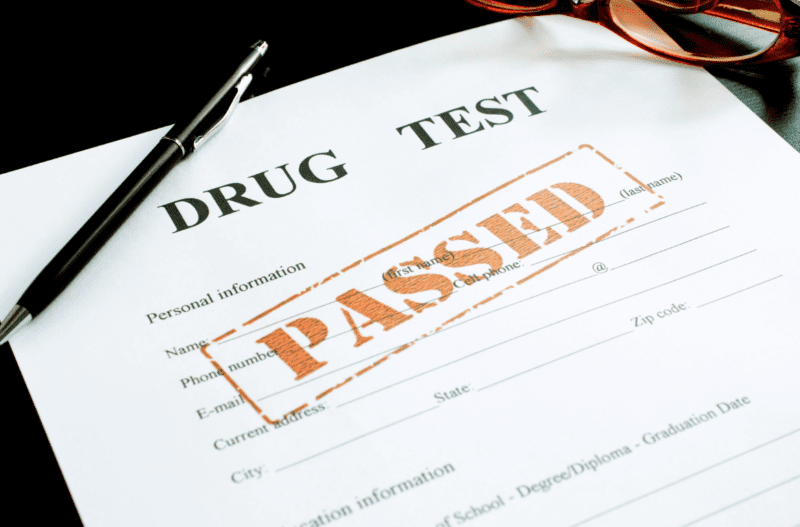

Establish clear, written policies about drug and alcohol use in the workplace. These should outline the rules, the consequences of violations, and the goals of the program, ensuring all employees understand the standards expected of them.

Implement regular and random testing procedures to deter substance use. This might include pre-employment screening, random testing, or testing when substance use is suspected after an accident.

Provide training for supervisors and education for all employees on the dangers of drug and alcohol use. Include information on how to recognize the signs of substance abuse and the steps to take if they suspect someone is impaired.

Offer support for employees who struggle with substance abuse, such as access to counseling services or assistance programs. This not only helps individuals but also fosters a supportive workplace culture.

Ensure that your testing program complies with local, state, and federal laws regarding privacy, discrimination, and employment. Legal consultation is crucial to design a program that respects employees’ rights while safeguarding the workplace.
Workplace drug and alcohol testing programs are not just about compliance or monitoring; they are about creating a safer, more productive, and healthier work environment. By understanding the risks and implementing a structured approach, businesses can protect their workforce and ultimately their bottom line.
Injury Risk
Is Manual Handling a “Critical Risk” in the new Health and Safety at Work Amendment Act 2026 Short answer: Yes it does. But not in...
Read more Injury Risk
High job demands, fatigue and poor sleep raise the risk of musculoskeletal injury. Learn how psychosocial hazards cause physical harm and how to manage...
Read more Onsite Physiotherapy
Resistance Training for Office Workers Can Resistance Training for Office Workers fix desk-job aches? A new systematic review and meta-analysis in the Journal of Occupational Rehabilitation...
Read more Onsite Physiotherapy
Musculoskeletal disorder prevention: Learn 4 Ways to Optimise Your Manual Handling Program Musculoskeletal disorders (MSDs) remain one of the largest health and safety problems in Australian...
Read more Onsite Physiotherapy
How Much Does Onsite Physiotherapy Cost? If you’ve searched this question, you’ve probably already spoken to a few providers and come away more confused than...
Read more Explainable AI
Explainable AI : If Your AI Can’t Explain Itself, You’re the One Liable By Employ Health | Workplace Health & Safety Artificial intelligence is moving fast...
Read more Toolbox Talks
Simple techniques to make toolbox talks more engaging, encourage participation, and help important safety messages cut through workplace autopilot. Every Conversation Shapes Your Culture: How to...
Read more Risk
Risk
Remote Work, Isolation, and Mental Health Most Australian businesses have done the work on remote work ergonomics. Standing desks, monitor heights, chair assessments — the...
Read more Workforce Risk Intelligence
The Future of Pre-Employment Screening For decades, pre-employment assessments have largely been descriptive: They document baseline function. They confirm compliance. They tell you whether someone meets minimum role...
Read more
AI in workplace health: The High Cost of Workplace Injuries and the Need for Innovation Workplace injuries carry a tremendous human and financial cost. In...
Read more
Contractor vs full-time workplace health is a decision many organisations make based on hourly rates alone. But when you look beyond the upfront cost,...
Read more
From PALMS recruitment hubs in Papua New Guinea and the Solomon Islands to direct hire from China and New Zealand, the medical, impairment and...
Read moreCan’t find what you’re after?
View all articles