 Psychosocial hazard
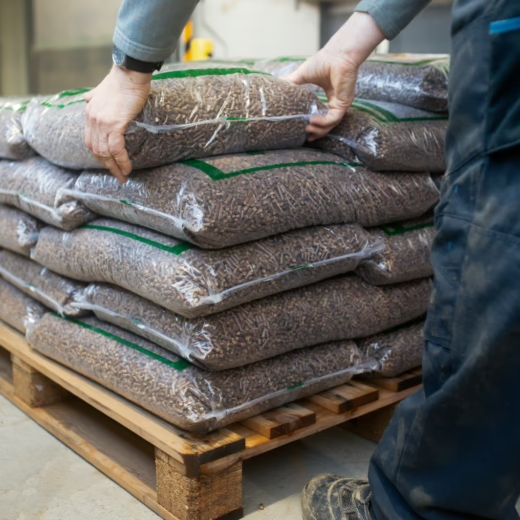
Is Manual Handling a Critical Risk?
Is Manual Handling a “Critical Risk” in the new Health and Safety at Work Amendment Act 2026 Short answer: Yes it does. But not in...
Read more
Training equips workers with the knowledge and skills to perform physical tasks safely and efficiently. It helps them understand how to use their body correctly, avoid unnecessary strain, and reduce the risk of injury on the job. More importantly, it fosters a proactive safety culture where staff are confident to identify risks and adjust their approach before harm occurs.
For businesses, ensuring your team is properly trained is a critical part of meeting your duty of care obligations. When workers know how to handle loads correctly, the chance of injury drops significantly—reducing the cost of claims, downtime, and lost productivity.
Manual handling isn’t a “set and forget” skill. Over time, people can develop bad habits or become complacent. In some cases, changes in equipment, tasks, or workflow mean that techniques once considered safe are no longer the most effective. That’s why regular refreshers are so important.
By updating training every 12 to 24 months—or sooner when new risks emerge—you keep safety knowledge fresh and relevant. You also demonstrate a genuine commitment to your team’s wellbeing, which can lift morale and encourage greater engagement with safety initiatives overall.
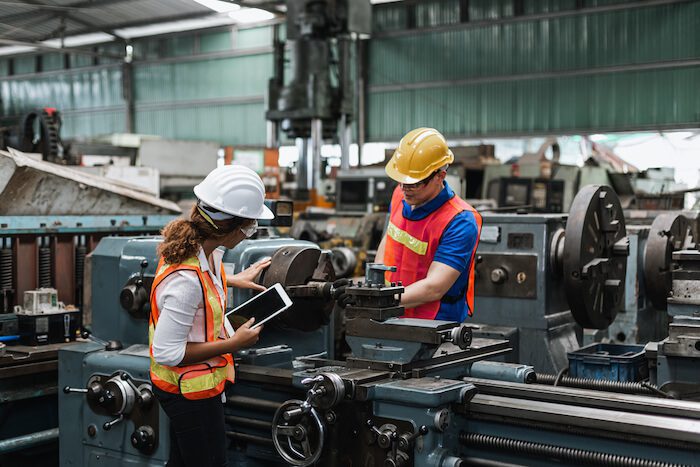
As a rule of thumb, training should be reviewed annually and repeated at least every two years. However, additional sessions should be scheduled when your workplace introduces new equipment or procedures, when onboarding new employees, or after an incident or near miss. These moments are key opportunities to reinforce safe behaviours and address any gaps before they lead to injury.
Employ Health delivers tailored manual handling training that goes beyond ticking compliance boxes. Our approach is practical, hands-on, and adapted to the specific physical demands of your work environment. Rather than generic presentations, we provide engaging training that speaks directly to the real tasks your workers perform—whether it’s lifting in a storeroom, transferring patients, or shifting materials on a worksite.
We can also support your business in embedding manual handling awareness into your broader health and safety program. From onboarding new staff to refresher sessions for experienced teams, our goal is to help reduce injuries and improve confidence, performance, and wellbeing at work.
Psychosocial hazard
Is Manual Handling a “Critical Risk” in the new Health and Safety at Work Amendment Act 2026 Short answer: Yes it does. But not in...
Read more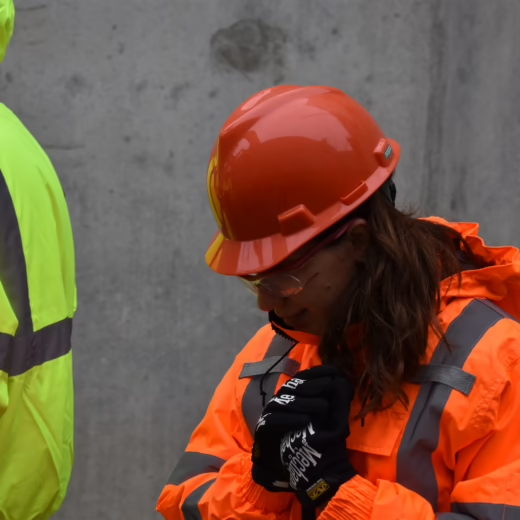 Psychosocial hazard
High job demands, fatigue and poor sleep raise the risk of musculoskeletal injury. Learn how psychosocial hazards cause physical harm and how to manage...
Read more Onsite Physiotherapy
Resistance Training for Office Workers Can Resistance Training for Office Workers fix desk-job aches? A new systematic review and meta-analysis in the Journal of Occupational Rehabilitation...
Read more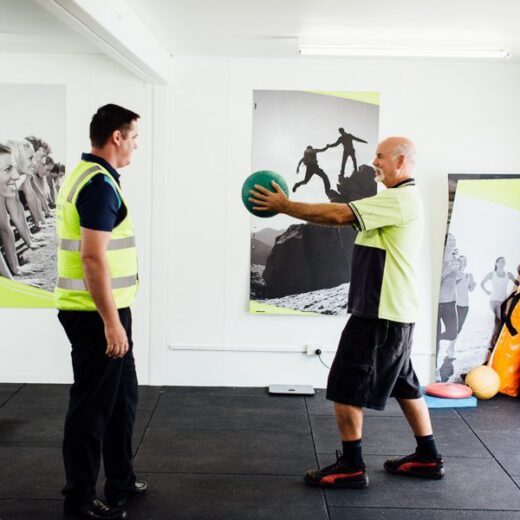 Onsite Physiotherapy
Musculoskeletal disorder prevention: Learn 4 Ways to Optimise Your Manual Handling Program Musculoskeletal disorders (MSDs) remain one of the largest health and safety problems in Australian...
Read more Onsite Physiotherapy
How Much Does Onsite Physiotherapy Cost? If you’ve searched this question, you’ve probably already spoken to a few providers and come away more confused than...
Read more Explainable AI
Explainable AI : If Your AI Can’t Explain Itself, You’re the One Liable By Employ Health | Workplace Health & Safety Artificial intelligence is moving fast...
Read more Toolbox Talks
Simple techniques to make toolbox talks more engaging, encourage participation, and help important safety messages cut through workplace autopilot. Every Conversation Shapes Your Culture: How to...
Read more Work Policy
Remote Work, Isolation, and Mental Health Most Australian businesses have done the work on remote work ergonomics. Standing desks, monitor heights, chair assessments — the...
Read more Workforce Risk Intelligence
The Future of Pre-Employment Screening For decades, pre-employment assessments have largely been descriptive: They document baseline function. They confirm compliance. They tell you whether someone meets minimum role...
Read more
AI in workplace health: The High Cost of Workplace Injuries and the Need for Innovation Workplace injuries carry a tremendous human and financial cost. In...
Read more
Contractor vs full-time workplace health is a decision many organisations make based on hourly rates alone. But when you look beyond the upfront cost,...
Read more
From PALMS recruitment hubs in Papua New Guinea and the Solomon Islands to direct hire from China and New Zealand, the medical, impairment and...
Read moreCan’t find what you’re after?
View all articles