The Future of Wearable Technology in the Workplace
Opportunities, Risks & How to Make Sense of It 700+ attendees. 70+ speakers. 30+ exhibitors.
Read moreThe first step in preventing ergonomic hazards is to identify the hazards in your workplace. This involves a detailed assessment of workstations, work practices, and the overall work environment. Look for risk factors such as poor posture, repetitive motions, and inadequate equipment or furniture.
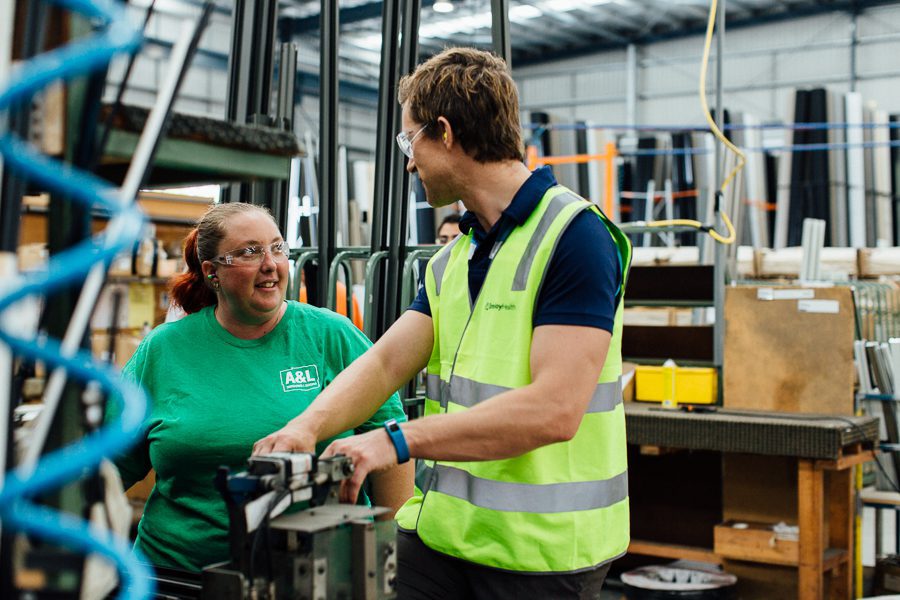
The first step in preventing ergonomic hazards is to identify the hazards in your workplace. This involves a detailed assessment of workstations, work practices, and the overall work environment. Look for risk factors such as poor posture, repetitive motions, and inadequate equipment or furniture.
Ensure that benches, desks, chairs, and computer monitors are at the correct height and distance to promote good posture.
Offer adjustable chairs and desks to accommodate different body sizes and preferences.
Promote regular breaks and encourage employees to stretch or walk around to reduce the risk of muscle strain and repetitive stress injuries.
Education is key to preventing ergonomic hazards. Employees should be trained on:
The importance of maintaining good posture and how to achieve it while sitting or standing at work.
Provide guidance on safe work practices, such as correct lifting techniques and ways to avoid repetitive strain.
The early signs of ergonomic injuries so they can seek intervention before issues become serious.
Employ Health offers a comprehensive Workstation Ergonomics service tailored to identify and address ergonomic hazards in your workplace. Our approach includes:
Conducting detailed assessments of workstations and work practices to identify potential hazards.
Learn MoreProviding personalised recommendations for adjustments and improvements to workstations.
Learn MoreOffering training sessions for employees on maintaining ergonomic safety, including posture, workstation setup, and injury prevention techniques.
Learn moreProviding ongoing support and advice to ensure that ergonomic solutions are effectively implemented and maintained.
Learn morePreventing ergonomic hazards in the workplace is essential for maintaining a healthy, productive, and engaged workforce that all come together to create a positive culture in your business.. By understanding your workers, the work they are doing and the workplace environment they are doing it in, we will identify the risks, implement ergonomic solutions, and educate your employees to set your business up to significantly reduce the incidence of work-related injuries from poor ergonomics.
Opportunities, Risks & How to Make Sense of It 700+ attendees. 70+ speakers. 30+ exhibitors.
Read more
March marks Sleep Awareness Month.It is a time to reflect on one of the most overlooked factors affecting workplace health, safety and productivity: sleep.
Read more
Why overlapping work activities can create hidden safety risks
Read more
What the Latest FDA Update Means for Employers and Health Professionals
Read more
—Why Onsite Physiotherapy Matters More Than Imaging in Workplace Shoulder Pain
Read more
The amendments to the Work Health and Safety Regulation 2011 are now in effect. Since 29 July 2025, PCBUs are required to provide mandatory...
Read more
–What It Means for Employers, Risk and Prevention
Read more
Read more
Secondary psychological injury often emerges during physical injury recovery — not from the original workplace event, but from uncertainty, leadership response and system design....
Read more
Read more
The People at Work (PAW) survey has been a widely used tool for assessing psychosocial hazards in Australian workplaces. However, Safe Work Australia has...
Read more
After a long-awaited two-week vacation, a veteran manufacturing worker returns to the production line feeling refreshed. Within days, he wrenches his back lifting a...
Read moreCan’t find what you’re after?
View all articles