The Future of Wearable Technology in the Workplace
Opportunities, Risks & How to Make Sense of It 700+ attendees. 70+ speakers. 30+ exhibitors.
Read moreThese injuries, such as tendinitis and bursitis, often occur from the repetitive nature of manufacturing tasks.
Caused by repetitive overhead activities, heavy lifting, or prolonged periods of arm extension.
A condition marked by pain and stiffness in the shoulder joint, which can be exacerbated by repetitive motions and lack of mobility.
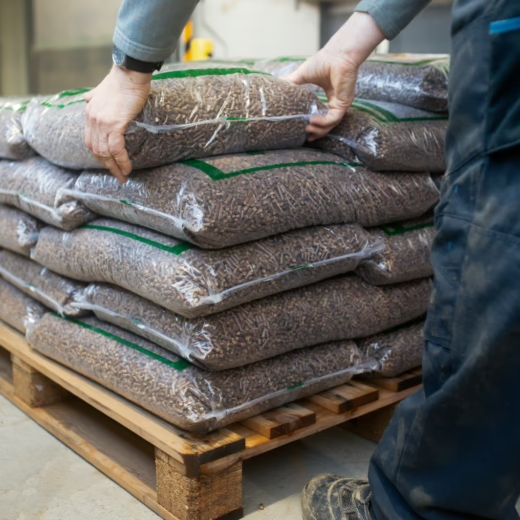
Often resulting from lifting heavy materials or sudden, forceful movements.
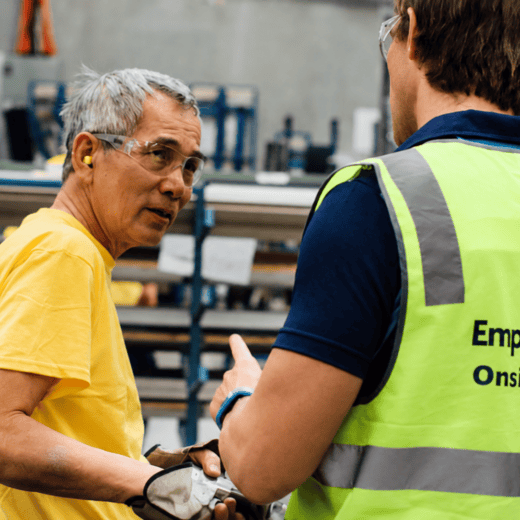
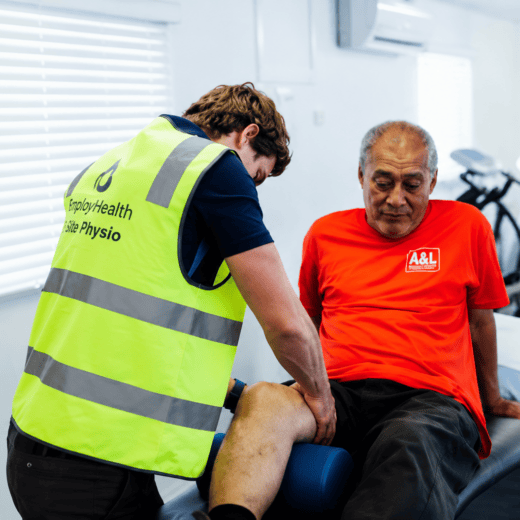
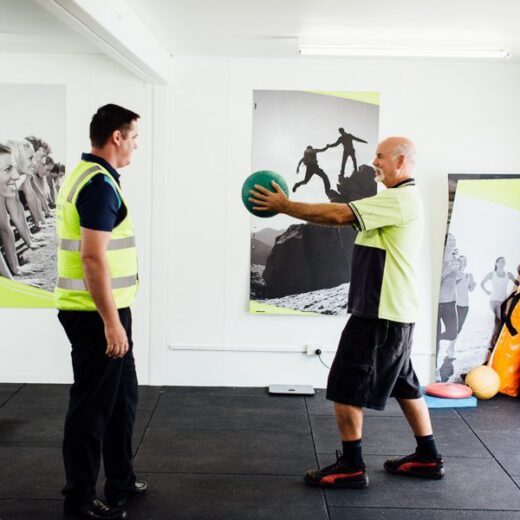
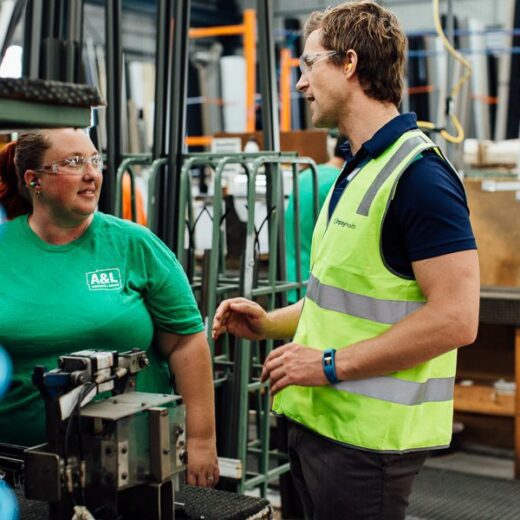
Employ Health provides onsite physiotherapy tailored to the manufacturing industry's unique needs. Our physiotherapists deliver customised care at your workplace, focusing on treatments and preventive exercises to target shoulder pain with your workers.
Early identification and management of shoulder pain are key to preventing long-term issues. Our early intervention services focus on addressing symptoms promptly, providing effective and timely care to your manufacturing workers.
We conduct thorough medical screenings to assess the physical compatibility of potential employees for manufacturing roles. This screening helps in identifying individuals who may be at risk of developing shoulder issues, allowing for preventive measures and appropriate job matching.
For workers who have sustained shoulder injuries, our customised rehabilitation programs assist to restore strength, flexibility, and functionality. These programs play a crucial role in ensuring a safe and sustainable return to your manufacturing roles.
Employ Health evaluates and matches the physical requirements of manufacturing roles with the capabilities of your workers. This matching process minimises the risk of shoulder injuries by ensuring that workers are not placed in roles that exceed their physical limits.
Employ Health conducts detailed ergonomic assessments of manufacturing workstations and processes. Our recommendations focus on modifications and the use of ergonomic tools and equipment to reduce the strain on your workers’ shoulders, helping prevent injury and discomfort.
Opportunities, Risks & How to Make Sense of It 700+ attendees. 70+ speakers. 30+ exhibitors.
Read more
March marks Sleep Awareness Month.It is a time to reflect on one of the most overlooked factors affecting workplace health, safety and productivity: sleep.
Read more
Why overlapping work activities can create hidden safety risks
Read more
What the Latest FDA Update Means for Employers and Health Professionals
Read more
—Why Onsite Physiotherapy Matters More Than Imaging in Workplace Shoulder Pain
Read more
The amendments to the Work Health and Safety Regulation 2011 are now in effect. Since 29 July 2025, PCBUs are required to provide mandatory...
Read more
–What It Means for Employers, Risk and Prevention
Read more
Read more
Secondary psychological injury often emerges during physical injury recovery — not from the original workplace event, but from uncertainty, leadership response and system design....
Read more
Read more
The People at Work (PAW) survey has been a widely used tool for assessing psychosocial hazards in Australian workplaces. However, Safe Work Australia has...
Read more
After a long-awaited two-week vacation, a veteran manufacturing worker returns to the production line feeling refreshed. Within days, he wrenches his back lifting a...
Read moreCan’t find what you’re after?
View all articles