Mid-Year Health Check-Ins – Fit For Life
Give your team the reset they need with onsite wellness screening The middle of the year is the perfect time to check in, not just...
Read more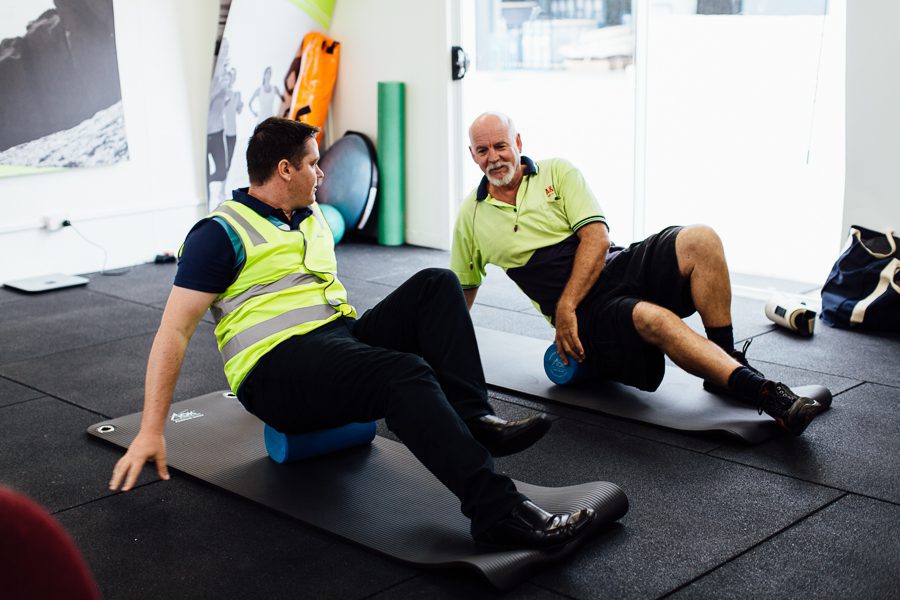
Outsourcing healthcare involves partnering with external clinics or providers. This model offers several advantages:
Access to a wide network of healthcare professionals ensures comprehensive care that extends beyond physiotherapy.
Adjusts easily to changing employee numbers without the logistical challenges of an onsite setup.
Eliminates the need for dedicated healthcare spaces within the workplace, an advantage for businesses with limited space.
Employees can choose providers based on their specific health needs and schedule appointments at convenient times.
However, there are significant drawbacks to consider:
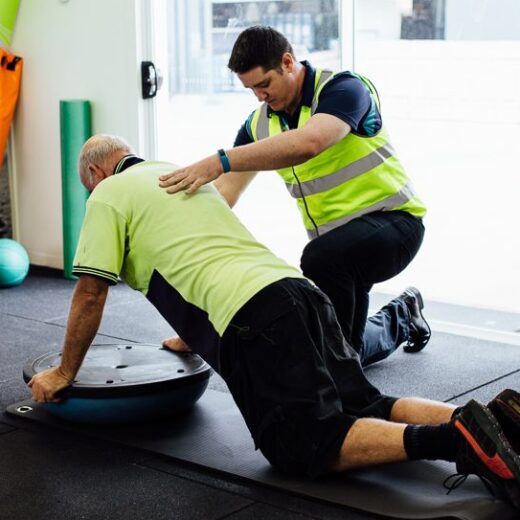
Onsite physiotherapy, such as those provided by Employ Health’s Health Hub clinics, offers a more integrated, efficient solution:
Requires an upfront investment which is quickly offset by long-term savings.
Efficient planning can mitigate the space needed to accommodate an onsite clinic.
Integration with company policies strengthens administrative oversight.
At Employ Health, we advocate for the substantial advantages of onsite physiotherapy, although we also recognize the role of external healthcare providers in a comprehensive care strategy. Our Health Hubs are designed to seamlessly integrate into daily workplace routines, offering a superior health solution that supports the well-being of every employee.
While outsourcing healthcare offers flexibility and access to a broad range of specialties, onsite physiotherapy ensures immediate, personalized support with significant long-term health and economic benefits. Employ Health’s strategy is crafted to provide the best of both worlds but highlights the superior advantages of onsite care, ensuring all employees receive the optimal support within a proactive and efficient framework.
Give your team the reset they need with onsite wellness screening The middle of the year is the perfect time to check in, not just...
Read more
Why regular training is key to a safer, stronger workforce Manual handling injuries are one of the most common—and preventable—workplace hazards in Australia. Whether your...
Read more
How employers can support prevention, early detection, and healthier teams Diabetes is one of Australia’s fastest-growing chronic health conditions, and its impact reaches well into...
Read more
Every July, thousands of Australians take a break from alcohol to raise funds for people affected by cancer. But Dry July isn’t just a...
Read more
Safeguarding sensitive workplace data is no longer optional, it is essential. With cyber threats on the rise and regulatory changes looming, Australian businesses must...
Read more
Navigating the Rising Threat Landscape In today’s digital age, data security has become a paramount concern for Australian businesses. The increasing frequency and sophistication of...
Read more
What They Are and How to Manage Them in Your Workplace Mental health and wellbeing have become essential conversations in modern workplaces – not just...
Read more
Ways Your Business Can Make a Difference This June June is Women’s Health Month, a time to recognise, celebrate, and support the health and wellbeing...
Read more
May is Addiction Awareness Month—a time to shine a light on the habits and dependencies that affect the health, wellbeing, and performance of workers...
Read more
Manual handling is a part of everyday work across countless industries – from construction and warehousing to healthcare and hospitality. But it’s also one...
Read more
Drug and alcohol use in the workplace is more than just a safety issue—it’s a health, productivity, and culture concern. Having a structured workplace...
Read more
Quitting smoking is one of the most impactful health decisions a person can make—but it’s not easy to do alone. As a business, the...
Read moreCan’t find what you’re after?
View all articles