
Offshore Pre-Employment Screening
From PALMS recruitment hubs in Papua New Guinea and the Solomon Islands to direct hire from China and New Zealand, the medical, impairment and...
Read more
Noise in the workplace is more than just a nuisance—it can be a significant health hazard. Prolonged exposure to high levels of noise can lead to noise-induced hearing loss (NIHL), one of the most common occupational illnesses. Unlike many workplace injuries, hearing loss is gradual and can go unnoticed until it is too late. It is essential for employers to recognize the risks and take steps to mitigate them.
Noise levels are measured in decibels (dB), and exposure to noise above 85 dB can cause significant harm if sustained over time. Here are common sources of noise in various industries:
Machinery can operate at levels up to 100 dB.
Equipment such as jackhammers can exceed 120 dB.
Even in less industrial settings, the cumulative effect of office machines and crowded spaces can approach harmful levels.
Employ Health’s audiometry service provides a crucial first step in identifying at-risk employees and establishing baseline hearing levels.
Modifying equipment or redesigning workspaces to reduce noise at the source is an effective way to protect workers.
Adjusting work schedules to limit the duration of noise exposure or rotating staff can significantly reduce the risk of hearing damage.
Providing employees with personal hearing protection devices, such as earmuffs or earplugs, is essential when other controls cannot adequately reduce exposure.
Educating employees about the risks of noise exposure and training them to use protective equipment correctly are vital components of a comprehensive hearing conservation program.
Noise-induced hearing loss is entirely preventable, yet it remains a common issue in workplaces across various sectors. During Hearing Awareness Month, let’s amplify the conversation about occupational hearing health and take decisive action to turn down the volume on workplace noise. Employ Health’s audiometry service is here to support businesses in safeguarding their employees’ hearing, ensuring a healthier, more productive workforce.
From PALMS recruitment hubs in Papua New Guinea and the Solomon Islands to direct hire from China and New Zealand, the medical, impairment and...
Read more
Delayed reporting is the quietest cost driver in workplace injury management. Here’s what the evidence says, and how Employ Health’s Rapid Response™ program is...
Read more
Three rate rises in five months have pushed money worries to the top of the workforce health agenda. Employ Health CEO Matthew Stewart speaks...
Read more
Why Smoke-Free and Vape-Free Blue-Collar Workplaces Make Business Sense
Read more
Opportunities, Risks & How to Make Sense of It 700+ attendees. 70+ speakers. 30+ exhibitors.
Read more
March marks Sleep Awareness Month.It is a time to reflect on one of the most overlooked factors affecting workplace health, safety and productivity: sleep.
Read more
Why overlapping work activities can create hidden safety risks
Read more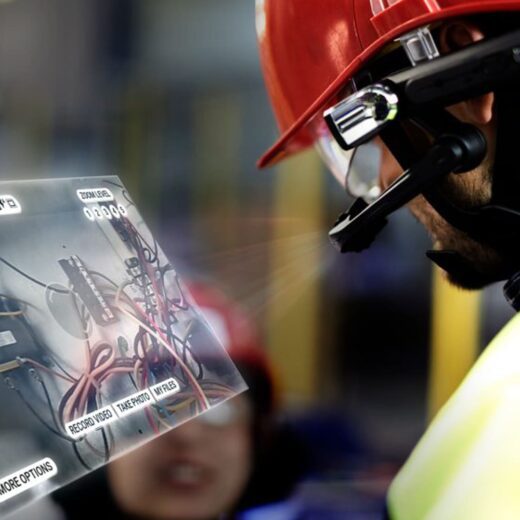
What the Latest FDA Update Means for Employers and Health Professionals
Read more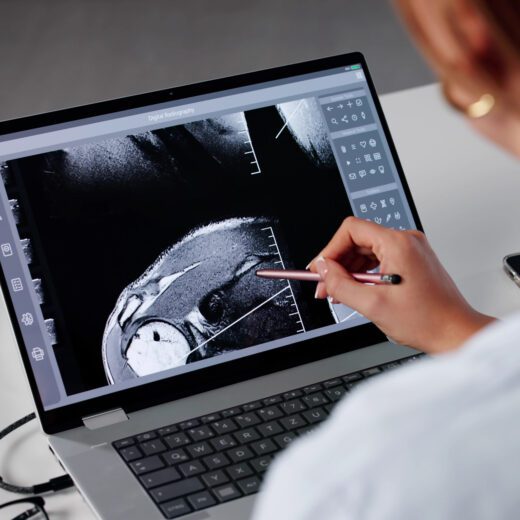
—Why Onsite Physiotherapy Matters More Than Imaging in Workplace Shoulder Pain
Read more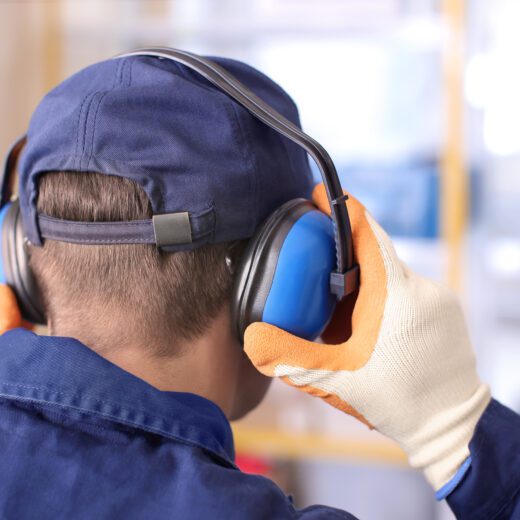
The amendments to the Work Health and Safety Regulation 2011 are now in effect. Since 29 July 2025, PCBUs are required to provide mandatory...
Read more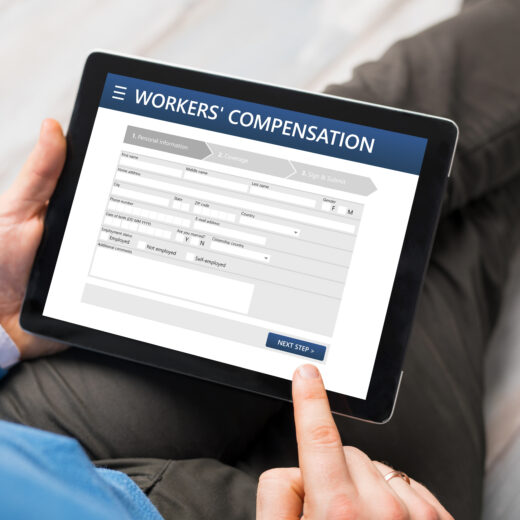
–What It Means for Employers, Risk and Prevention
Read more Read more
Can’t find what you’re after?
View all articles