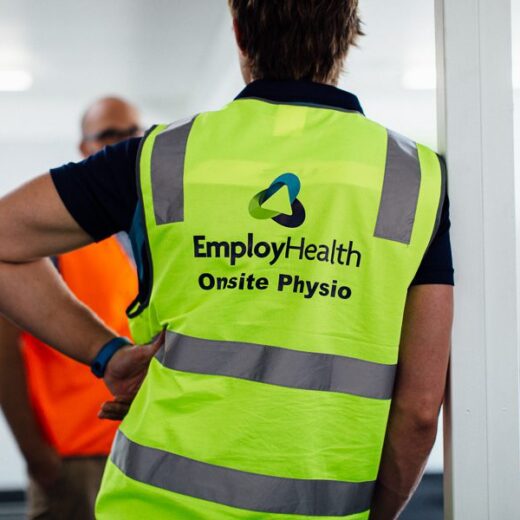
 Onsite Physiotherapy
How Much Does an Onsite Physiotherapist Cost?
How Much Does Onsite Physiotherapy Cost? If you’ve searched this question, you’ve probably already spoken to a few providers and come away more confused than...
Read more
Mental health issues can significantly affect workplace dynamics, productivity, and employee well-being. Stress, anxiety, and depression are among the common mental health challenges that can lead to increased absenteeism, reduced productivity, and higher healthcare costs. By addressing mental health proactively, businesses can create a more supportive and efficient work environment.

Participating in RUOK Day can have profound benefits for businesses. It helps in building a culture of care and support where employees feel valued and understood. This participation not only boosts morale but also enhances employee engagement and retention. Furthermore, it positions the company as a socially responsible organisation, improving its public image and attractiveness to potential talent.
To make the most out of RUOK Day, businesses should consider the following initiatives:
Organise workshops that educate employees on recognising signs of distress, offering support, and understanding mental health better.
Host activities that encourage interaction and open conversations about mental health, such as team lunches or coffee breaks focused on sharing experiences and support.
Implement continuous support mechanisms like peer support groups or regular check-ins beyond just RUOK Day.
For more comprehensive guidance and resources on how to support your workers around RUOK Day and throughout the year, visit the official RUOK website at RUOK.org.au. Here, you’ll find tools and resources tailored to help businesses implement effective mental health strategies and support systems.
RUOK Day is a significant event, but the conversation shouldn’t end there. By embedding mental health awareness into the fabric of your business operations, you can create a healthier, more supportive workplace that benefits everyone involved. Let’s make every day a day to ask, “Are you okay?”
Onsite Physiotherapy
How Much Does Onsite Physiotherapy Cost? If you’ve searched this question, you’ve probably already spoken to a few providers and come away more confused than...
Read more Explainable AI
Explainable AI : If Your AI Can’t Explain Itself, You’re the One Liable By Employ Health | Workplace Health & Safety Artificial intelligence is moving fast...
Read more Toolbox Talks
Simple techniques to make toolbox talks more engaging, encourage participation, and help important safety messages cut through workplace autopilot. Every Conversation Shapes Your Culture: How to...
Read more Work Policy
Remote Work, Isolation, and Mental Health Most Australian businesses have done the work on remote work ergonomics. Standing desks, monitor heights, chair assessments — the...
Read more Workforce Risk Intelligence
The Future of Pre-Employment Screening For decades, pre-employment assessments have largely been descriptive: They document baseline function. They confirm compliance. They tell you whether someone meets minimum role...
Read more
AI in workplace health: The High Cost of Workplace Injuries and the Need for Innovation Workplace injuries carry a tremendous human and financial cost. In...
Read more
Contractor vs full-time workplace health is a decision many organisations make based on hourly rates alone. But when you look beyond the upfront cost,...
Read more
From PALMS recruitment hubs in Papua New Guinea and the Solomon Islands to direct hire from China and New Zealand, the medical, impairment and...
Read more
Delayed reporting is the quietest cost driver in workplace injury management. Here’s what the evidence says, and how Employ Health’s Rapid Response™ program is...
Read more
Three rate rises in five months have pushed money worries to the top of the workforce health agenda. Employ Health CEO Matthew Stewart speaks...
Read more
Why Smoke-Free and Vape-Free Blue-Collar Workplaces Make Business Sense
Read more Opportunities, Risks & How to Make Sense of It 700+ attendees. 70+ speakers. 30+ exhibitors.
Read moreCan’t find what you’re after?
View all articles