The Future of Wearable Technology in the Workplace
Opportunities, Risks & How to Make Sense of It 700+ attendees. 70+ speakers. 30+ exhibitors.
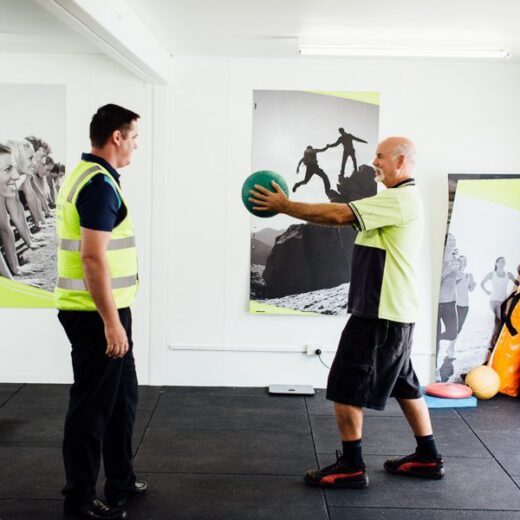
Read moreRegular physical activity helps reduce the risk of chronic diseases such as heart disease, diabetes, and obesity. Fitness programs can be tailored to all levels of fitness, ensuring everyone can participate.
Exercise is a proven stress reliever. It boosts serotonin levels, improving mood and energy levels, which can be especially beneficial in high-pressure environments.
Employees who engage in physical activities report higher productivity. This could be due to improved concentration, reduced fatigue, and fewer sick days.
Group fitness activities such as yoga classes, walking groups, or team sports enhance team cohesion and communication, fostering a more cooperative work environment.
Start with a survey to determine what types of activities your employees are interested in and what times suit them best.
Provide a range of activities that cater to different fitness levels and interests. Consider options like pilates, strength training, or even dance classes.
Make participation easy by scheduling sessions during or immediately before or after work. Offering incentives can also boost engagement.
Regularly assess the program's effectiveness through feedback and adjustments as necessary. Monitor both participation rates and changes in workplace health outcomes.
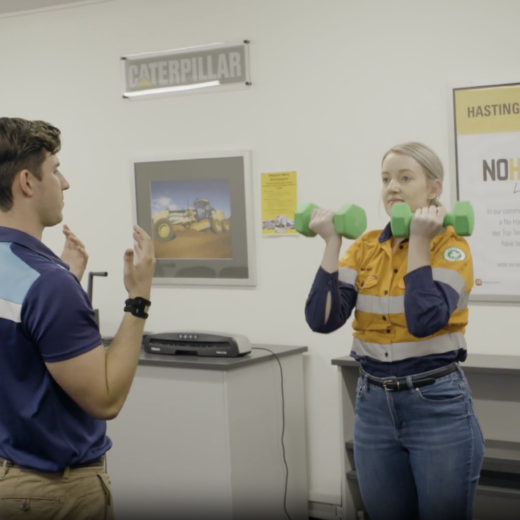
Employ Health can assist in setting up and managing workplace fitness programs. From initial assessments and program design to ongoing support and evaluation, Employ Health ensures that fitness programs are beneficial and aligned with the company’s health objectives.
Integrating fitness programs into the workplace is a strategic move that benefits both the organization and its employees. These programs not only improve health outcomes but also enhance workplace morale and productivity, creating a more dynamic and positive work environment.
Opportunities, Risks & How to Make Sense of It 700+ attendees. 70+ speakers. 30+ exhibitors.
Read more
March marks Sleep Awareness Month.It is a time to reflect on one of the most overlooked factors affecting workplace health, safety and productivity: sleep.
Read more
Why overlapping work activities can create hidden safety risks
Read more
What the Latest FDA Update Means for Employers and Health Professionals
Read more
—Why Onsite Physiotherapy Matters More Than Imaging in Workplace Shoulder Pain
Read more
The amendments to the Work Health and Safety Regulation 2011 are now in effect. Since 29 July 2025, PCBUs are required to provide mandatory...
Read more
–What It Means for Employers, Risk and Prevention
Read more
Read more
Secondary psychological injury often emerges during physical injury recovery — not from the original workplace event, but from uncertainty, leadership response and system design....
Read more
Read more
The People at Work (PAW) survey has been a widely used tool for assessing psychosocial hazards in Australian workplaces. However, Safe Work Australia has...
Read more
After a long-awaited two-week vacation, a veteran manufacturing worker returns to the production line feeling refreshed. Within days, he wrenches his back lifting a...
Read moreCan’t find what you’re after?
View all articles