Case Study

From Pilot to Proof: A Stronger, Healthier Workforce

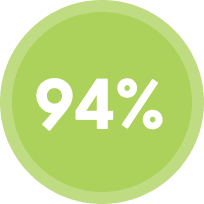
A 6-month model that reduced injury costs by 94% and reshaped how risk is managed

Site Snapshot:

Food Manufacturing

100+ Workforce

High Manual Work

Shift-Based Operations

Physically Demanding Roles

Transforming workplace health culture.

A mid-sized food manufacturing site transformed its workplace health culture reducing musculoskeletal claims, increasing engagement, and embedding proactive prevention across every shift.

With 111 workers spread across day, afternoon, and night shifts, the site’s diverse team faced the common challenges of a fast-paced, production-heavy environment. Repetitive manual handling, varied physical demands, and high absenteeism were contributing factors to frequent musculoskeletal (MSK) injuries. In December 2024, the site became the pilot location for Employ Health’s Health Hub an integrated, on-site system for early intervention, injury management, and proactive worker wellbeing. The program aimed to reduce claims and costs while building a stronger safety culture and lasting commitment to employee wellness across every shift.


The Challenges

Despite strong safety intentions, injuries were being addressed after escalation — not before. The site didn’t need more policies. It needed embedded early intervention.

Growing Challenges:

High manual handling demands (heavy and very heavy tasks)

Rising musculoskeletal (MSK) claims

Absenteeism impacting operations

Language diversity across the workforce

Reactive injury management processes

Program Pillars:

Injury Management

Structured early intervention and return-to-work pathways that reduce claim escalation and speed recovery.

Injury Prevention

Task risk profiling and proactive assessments, designed to prevent injury before it occurs.

Workplace Interventions

On-site training, leadership support, and operational adjustments that strengthen everyday safety behaviours.

Health & Wellness

Programs that build physical capacity, resilience, and long-term workforce wellbeing.

What was implemented

Since the launch of the Health Hub in December 2024, the site has made measurable progress in embedding early intervention and prevention systems into daily operations.

Injury Management:

#1

Implemented an Early Intervention Process Map, creating a clear workflow for managing new injuries.

#2

Introduced Work Ready Assessments following injury management to support safe return to work.

#3

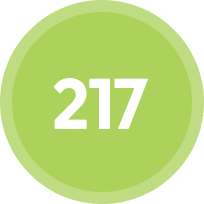
103 new early intervention consultations completed since program launch.

#4

Average of 3.07 care plans per case before transition to prehab/discharge.

#5

Strong culture of non-work-related reporting (46%), indicating proactive injury disclosure.

Injury Prevention:

#1

Built a complete Job Dictionary with 28 defined roles, each with physical demand profiles.

#2

Conducted Manual Task Risk Assessments (ManTRAs) for all heavy and very heavy roles.

#3

Each ManTra supported by a business case study, shared with EHS for implementation.

#4

New Starter Induction Program implemented with manual handling and nutrition modules.

#5

Collaboration with HR to integrate PES (Physical Employment Standards) assessments with Employ Health.

Workplace Culture Shift

Through targeted supervisor training, site-wide warm-up programs (all departments), and alignment with the Health & Safety Strategy, the Health Hub program strengthened everyday safety habits and leadership participation across all departments.

Workplace interventions focused on improving manual handling awareness, leadership capability, and proactive engagement with safety. Supervisor refresher training and department-wide warm-up sessions became part of daily operations, supported by Employ Health’s collaboration in shaping the site’s FY26 Health & Safety Strategy.

Planned rollout to reduce manual handling risks and boost workforce resilience.

Safety Risk Awareness Training

Scheduled for all Supervisors and Line Leaders to strengthen hazard awareness and early intervention.

Hazard Risk Mapping

Planned review of risk assessments and procedures to enhance site-wide safety practices.

Reduced risk. Stronger compliance. Greater confidence.

When health and safety are embedded into daily operations, risk is managed earlier, compliance becomes more consistent, and confidence grows across the organisation.

The Results

Six months after the launch of the Health Hub in December 2024, it was already driving meaningful, measurable outcomes.

Highlights:

Significant improvement across all key health and safety metrics

Reduction in both frequency and cost of musculoskeletal (MSK) injuries

Fewer compensation claims and reduced escalation of cases

Faster recovery times and earlier return to full duties

A safer, more confident, and more engaged workforce

Measurable Impact

Quantifiable improvements in injury reduction, cost savings, and workforce engagement highlight the success of the Health Hub pilot. The following are some Key Metrics (December 2024 – May 2025):

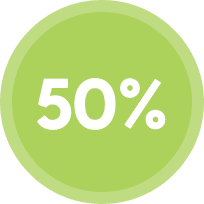
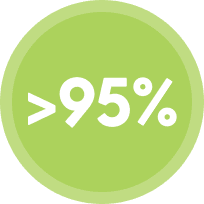
Reduction in MSK Sprain/Strain Claims

Reduction in Statutory Claim Costs

Early Intervention Engagements

Job Dictionary Completion (28 Roles)

Health Hub Utilisation for New Employees

Appointment Utilisation Rate

Sessions per Care Plan (3.1 Average)

Communication Cadence Maintained

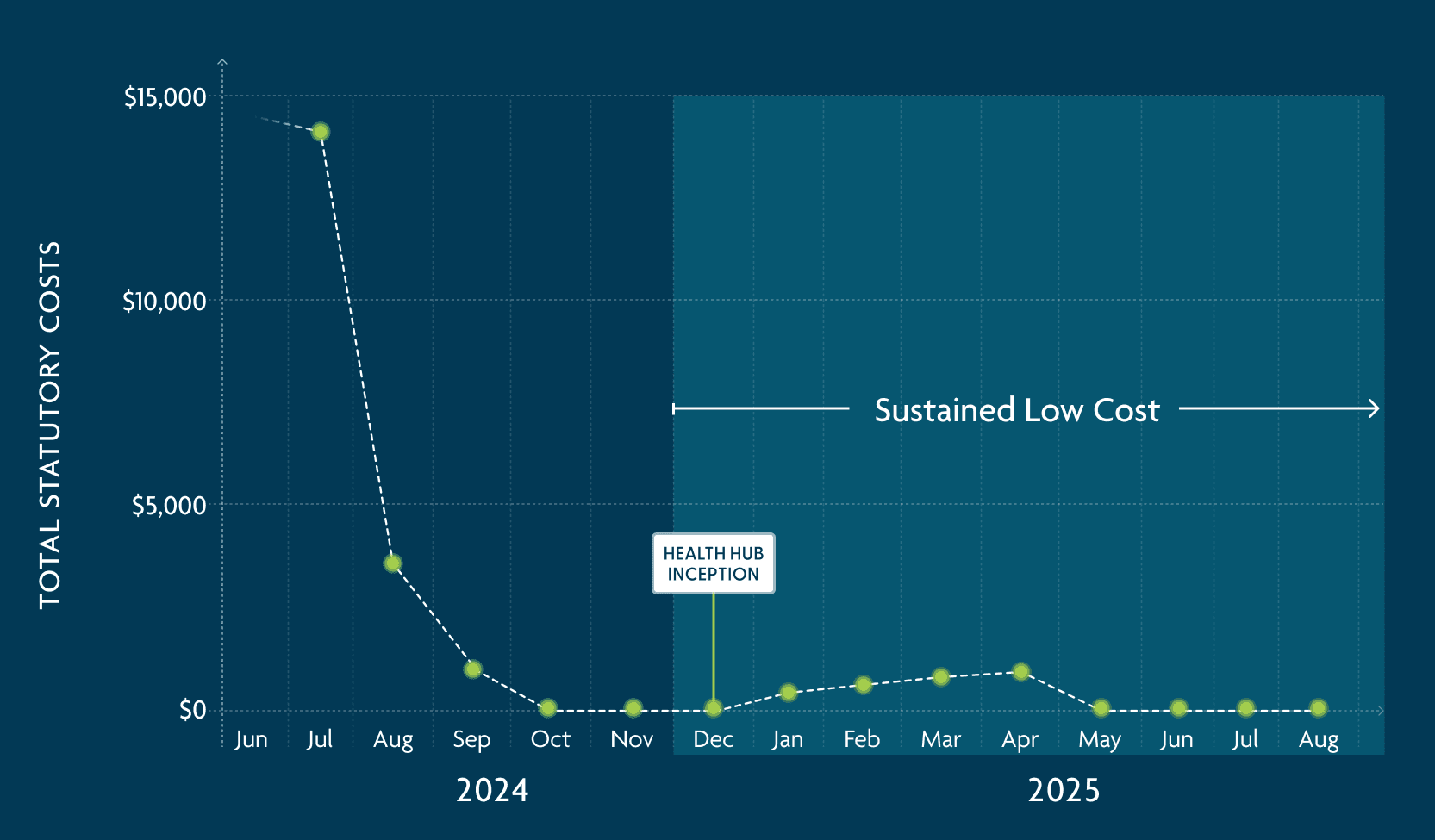
WorkCover Costs Through August 2025:

Following the implementation of the Health Hub, statutory costs dropped rapidly and stabilised at a consistently low level, demonstrating the impact of early intervention in reducing both claim frequency and severity.
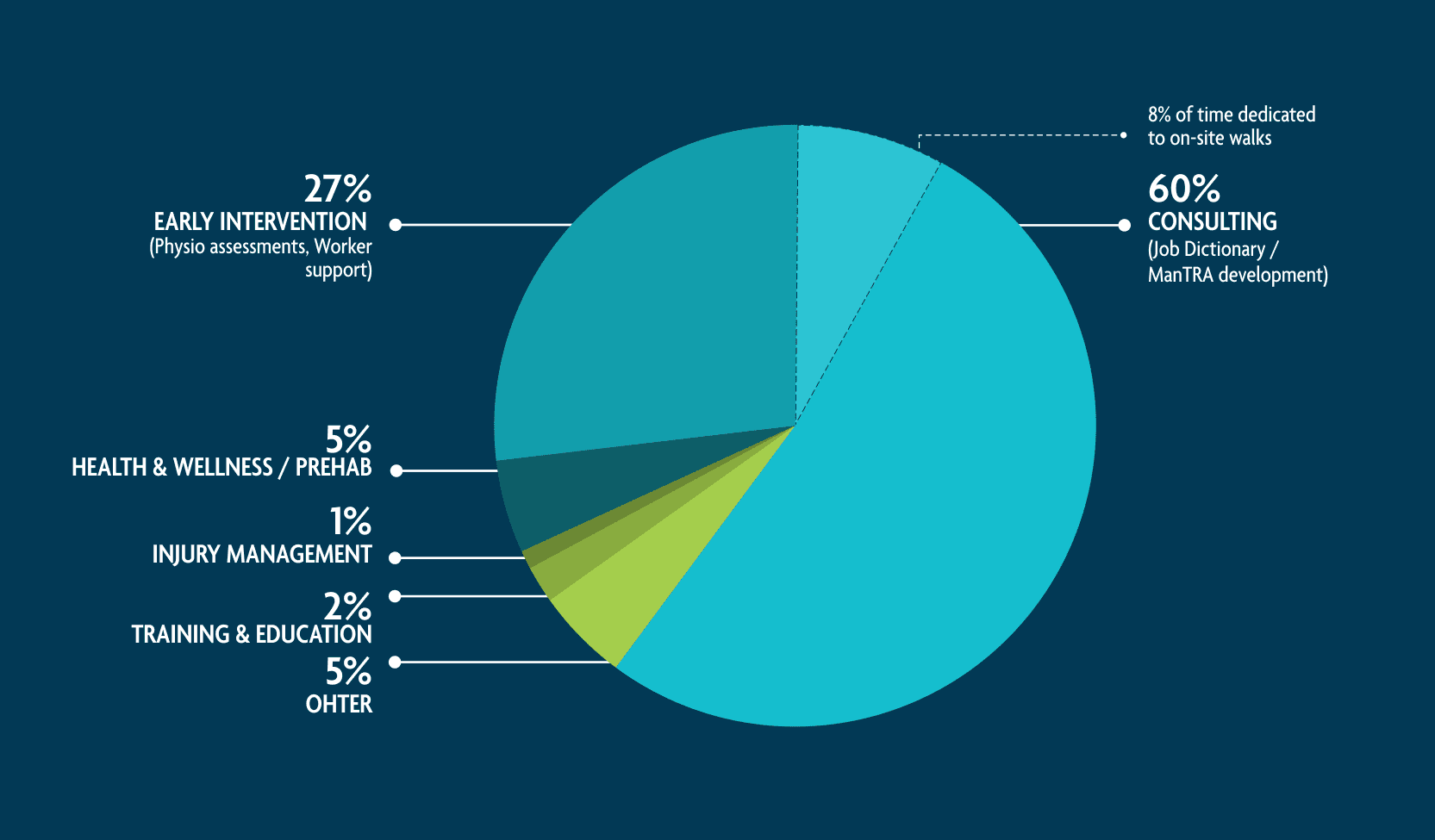
Program Utilisation & On-Site Engagement

After the launch of the program, time allocation reflects a deliberate shift toward proactive work, with the majority of effort focused on consulting and early intervention, rather than reactive injury management.

“Collaborating with Employ Health on a regular basis through services the Health Hub provides such as our manual task risk assessments and manual handling projects has been instrumental in creating a safe work culture and making an impact for reducing injuries amongst our workers.

We have seen our employees utilise the Health Hub for both work related, and personal injuries. Without the intervention of Employ Heath, some of these injuries may have become a Work Cover claim.”

–L.C., HSE Manager

Looking ahead

Building on the momentum of the first phase, the focus now shifts to embedding this model more deeply across the organisation; strengthening early intervention, expanding workforce capacity, and sustaining long-term outcomes.

FY25/26 Priorities & KPIs:

MSK Claims Reduction

Maintain low injury claim volume year over year

Cost Reduction

Sustain reduced claim costs through early intervention

Pre-Employment Screening

Integrate health assessments for all new starters

Capacity Matching

Align worker capability with role demands

Proactive Utilisation

Shift toward majority proactive appointments

Manual Task Risk Reviews

Regular assessment of high-risk tasks

Treatment Efficiency

Maintain low sessions per care plan

Communication & Scheduling

Consistent cadence and high utilisation

Lag Indicators (Outcomes)

Lead Indicators (Drivers)

What’s Next: Predictive Workforce Health

Machine Learning + AI to Anticipate Risk and Inform Safer Decisions

Employ Health is moving into the next evolution of prevention: predictive analytics powered by Machine Learning and AI. This model combines job-specific physical demand profiles, early-intervention patterns, ManTRA data, and on-floor engagement signals to identify emerging risk before injuries occur.

How It Works:

Work Demands & Tasks

Understanding physical requirements and risk patterns

Early Intervention Trends

Identifying patterns in recovery, symptoms, and engagement

Worker Capacity

Aligning roles with readiness and capability

On-the-Ground Insights

Capturing real-time signals from daily operations

From Insight to Action

As this model continues to evolve, the shift is clear: from responding to risk to anticipating it. By combining data, AI, and on-the-ground insight, organisations can take a more proactive, precise approach to workforce health.

What This Looks Like in Practice:

Identify high-risk tasks earlier, before issues surface

Enable smarter, real-time decisions across teams

Deliver more targeted and effective early intervention

Sustain reductions in injuries, costs, and disruption

Build a stronger, more resilient and future-ready workforce

Anticipate risk. Act earlier. Improve outcomes.

With a proactive, data-informed approach, organisations can move beyond reactive health management and build safer, more resilient workforces.

Contact us

This level of impact is possible in your organisation too.

The results shown here are achievable with the right strategy and support; they’re the result of a structured, proactive approach to workforce health. If you’re looking to move beyond reactive strategies and create lasting change, we can help you get there.