




How to Prevent WorkCover Claims by Addressing Musculoskeletal Injury Risk Early
Read more
Musculoskeletal injuries—such as back strains, neck pain, or joint issues—are one of the most common causes of time off work. When not addressed early, these injuries often lead to long recovery periods, higher costs, and long-term WorkCover claims. But what if you could identify which injuries are most likely to become long-term issues—and act early enough to prevent that outcome?
That’s exactly what the Örebro Musculoskeletal Pain Questionnaire (OMPQ) is designed to do.
The OMPQ is a short, research-backed screening tool that assesses risk factors related to recovery after a musculoskeletal injury. Rather than focusing solely on physical symptoms, it explores psychological and social factors—such as fear of re-injury, low mood, and expectations about recovery—that are known to influence healing and return-to-work timelines.
The questionnaire is simple for injured workers to complete, and gives employers and health professionals valuable insight into which individuals may need more support.
By integrating the OMPQ into your injury management process, you can:
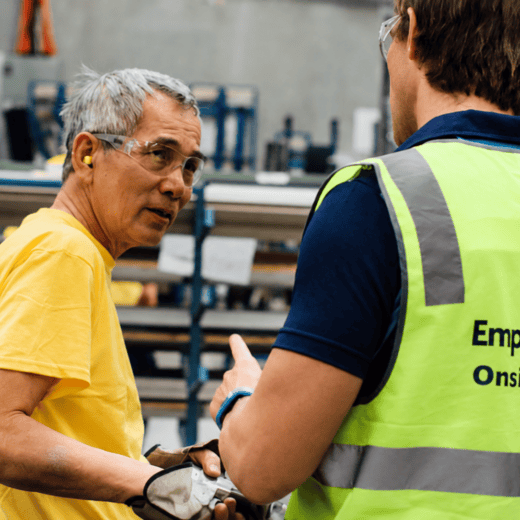
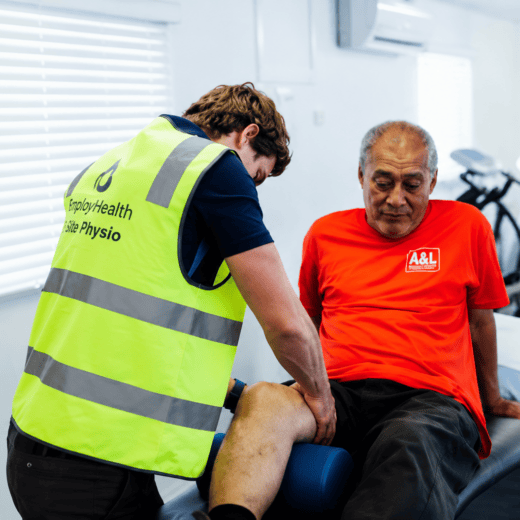
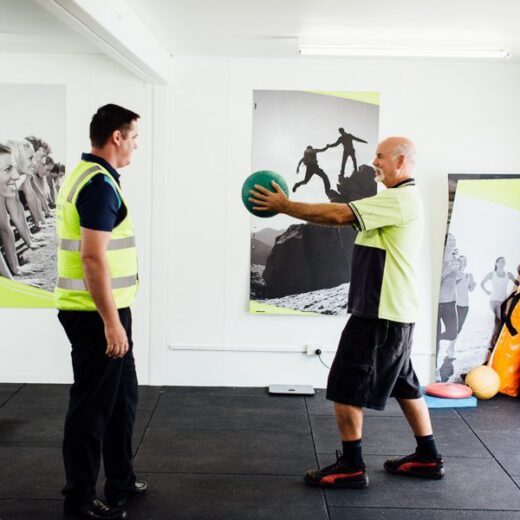
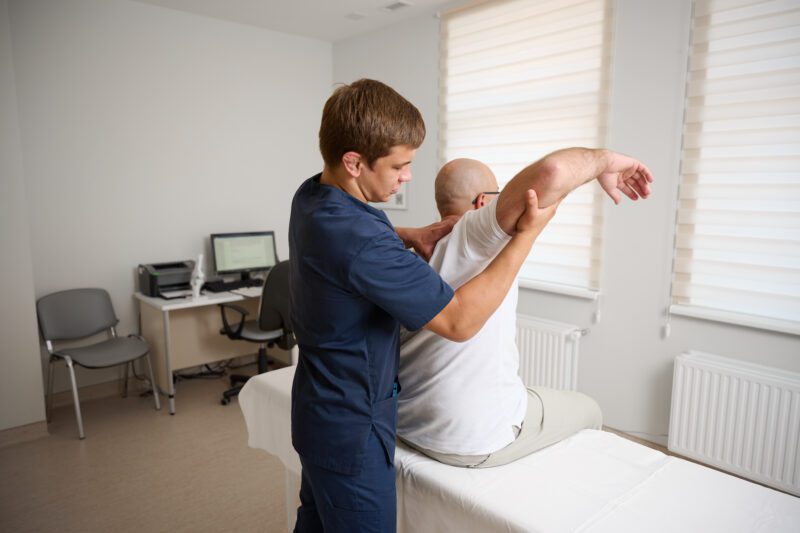
This kind of early, evidence-based screening is especially powerful when used alongside onsite physiotherapy, allowing your business to act swiftly and keep recovery on track.
Musculoskeletal injury prevention isn’t just about avoiding incidents—it’s about managing recovery the right way when injuries do occur. By using the OMPQ early, businesses can:
Whether you’re managing a team in manufacturing, healthcare, logistics, or corporate environments, this tool can streamline your return-to-work strategies and improve outcomes for your employees.
Employers who already offer on-site physiotherapy services can use the OMPQ to strengthen early assessments and interventions. When a physio can pair clinical evaluation with the psychosocial insights from the OMPQ, it becomes far easier to:
This proactive, combined approach is one of the most effective ways of preventing WorkCover claims from minor injuries.
Injury prevention doesn’t stop at hazard controls—it includes how you respond when injuries occur. The OMPQ is a smart, evidence-based tool that gives employers the visibility they need to act early and avoid downstream problems.
Explore the OMPQ now and discover how it can become a cornerstone of your approach to musculoskeletal injury management.
Read more
On the 24th and 25th of October, the EmployHealth tribe from across Australia and New Zealand came together at Surfing Australia in northern NSW...
Read more
A study from an Australian poultry processing plant found that organisational culture — especially safety climate and disability management practices — had a major...
Read more
A 19-year Swedish study of 200,000+ construction workers has confirmed strong links between repetitive manual work and the need for carpal tunnel surgery. Tasks...
Read more
At Employ Health, our values aren’t slogans on a wall — they’re the standards we hold ourselves to every day. And one of our...
Read more
Workplace gyms can boost employee health, morale, and productivity — but they also come with safety and compliance responsibilities. Understanding how to balance wellbeing...
Read more
Read more
In honor of R U OK?Day, Employ Health CEO Matthew Stewart had the privilege of sitting down with Tim Franklin at a special event...
Read more
At Employ Health, we are passionate about building the future of the workplace. That’s why we are proud to be contributing to the undergraduate...
Read more
The western world is seeing a rise of the ‘Aging population’. Young people are having less kids, people are living longer, and many are...
Read more
–by Matthew Stewart
Read more
Give your team the reset they need with onsite wellness screening The middle of the year is the perfect time to check in, not just...
Read moreCan’t find what you’re after?
View all articles