Onsite Physiotherapy
How Much Does an Onsite Physiotherapist Cost?
How Much Does Onsite Physiotherapy Cost? If you’ve searched this question, you’ve probably already spoken to a few providers and come away more confused than...
Read moreSarcopenia, the age-related loss of muscle mass, really kicks in significantly from 50-years old (actually starts around 30 years old). This leads to reduced strength, muscle mass, and balance thus increasing the risk of falls and injury, particularly in physically demanding roles.
As Health & Safety professionals, we must take proactive steps to support older workers and reduce the risk of a serious work-related injury. Here are five practical tips you can implement in your workplace:
Let’s first look at combating Sarcopenia. Regular physical exercise is essential to reduce the rate of age-related muscular decline. Resistance training is the most effective, but even low impact activities like Tai chi have shown to reduce falling risk. But let’s keep this simple: no matter the activity, your aging workers need to do regular physical exercise outside the workplace.While what workers do outside of work is out of your control, you can influence their mindset and motivation:
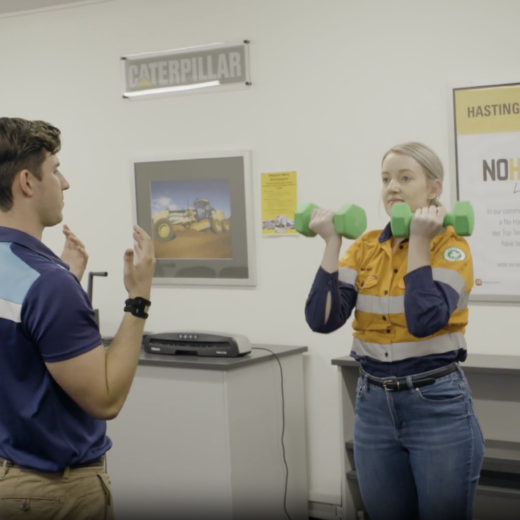
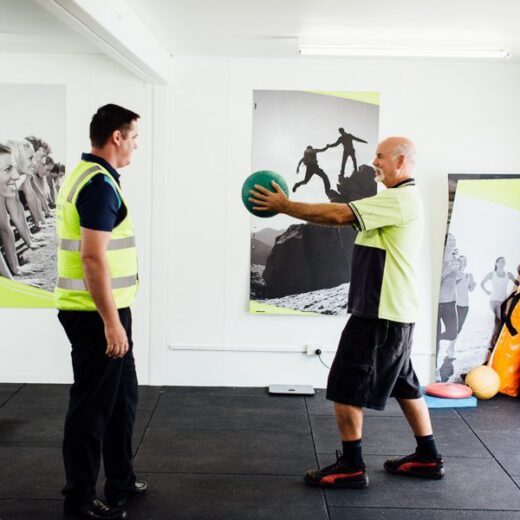
Through our on-site physio programs, we often work with worker’s to provide tailored exercise plans to build up their strength. And our data shows that stronger people are far less likely to get injured.
The brutal truth is that not all of our older workers will take ownership of their health. So lets try make their work easier where we can. Some ideas include:
So who’s high risk? Look out for:
Check-ins don’t need to be only done by you. Champion the supervisors and Health & Safety Reps to perform check-ins. This can be informal too; “Hey how’s everything going lately?”.
Also, have an action plan ready if an issue is reported. For musculoskeletal issues (joint, muscle, movement pain), get a Physio involved.

I wrote about the importance of Early Intervention. In a nutshell, acting on a niggle or pain early can prevent a Lost Time Injury (LTI). So have processes in place. Some of the options here include:
I also suggest completing a risk assessment on any task where a work injury occurs. It’s just good injury prevention practice.
Regular health screenings throughout the year can reveal early signs or risk. These can rotate and can include
Health Professionals are also trained to identify red flags (signs of serious or hidden health issues) with every interaction, thus benefiting not just your safety data, but the workers themselves.
I want to challenge you to action one of these 5-tips over the next week. We’d also love to hear what you have found effective for older workers within your workplace?
Let’s build safer, stronger teams together!
Onsite Physiotherapy
How Much Does Onsite Physiotherapy Cost? If you’ve searched this question, you’ve probably already spoken to a few providers and come away more confused than...
Read more
Explainable AI
Explainable AI : If Your AI Can’t Explain Itself, You’re the One Liable By Employ Health | Workplace Health & Safety Artificial intelligence is moving fast...
Read more
Toolbox Talks
Simple techniques to make toolbox talks more engaging, encourage participation, and help important safety messages cut through workplace autopilot. Every Conversation Shapes Your Culture: How to...
Read more
Work Policy
Remote Work, Isolation, and Mental Health Most Australian businesses have done the work on remote work ergonomics. Standing desks, monitor heights, chair assessments — the...
Read more
Workforce Risk Intelligence
The Future of Pre-Employment Screening For decades, pre-employment assessments have largely been descriptive: They document baseline function. They confirm compliance. They tell you whether someone meets minimum role...
Read more
AI in workplace health: The High Cost of Workplace Injuries and the Need for Innovation Workplace injuries carry a tremendous human and financial cost. In...
Read more
Contractor vs full-time workplace health is a decision many organisations make based on hourly rates alone. But when you look beyond the upfront cost,...
Read more
From PALMS recruitment hubs in Papua New Guinea and the Solomon Islands to direct hire from China and New Zealand, the medical, impairment and...
Read more
Delayed reporting is the quietest cost driver in workplace injury management. Here’s what the evidence says, and how Employ Health’s Rapid Response™ program is...
Read more
Three rate rises in five months have pushed money worries to the top of the workforce health agenda. Employ Health CEO Matthew Stewart speaks...
Read more
Why Smoke-Free and Vape-Free Blue-Collar Workplaces Make Business Sense
Read more
Opportunities, Risks & How to Make Sense of It 700+ attendees. 70+ speakers. 30+ exhibitors.
Read moreCan’t find what you’re after?
View all articles