
World No Tobacco Day
Why Smoke-Free and Vape-Free Blue-Collar Workplaces Make Business Sense
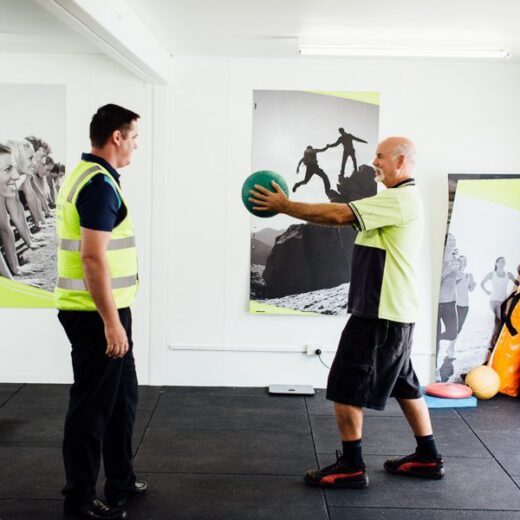
Read moreAt Employ Health, we are dedicated to helping businesses implement effective strategies to promote a safe and healthy workplace. In this blog, we will discuss various approaches, including wellness programs like Employ Health’s 8 Week Challenge, the importance of workstation ergonomics, and the value of training and assessments.
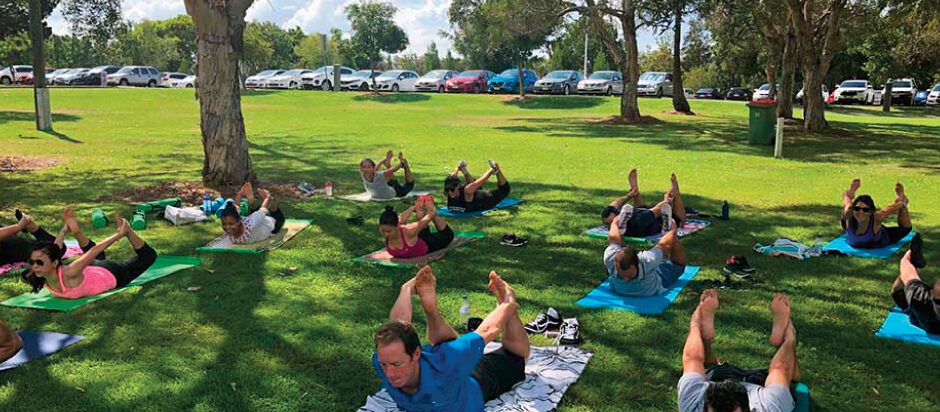
Wellness programs are a cornerstone of a healthy workplace culture. They encourage employees to adopt healthier lifestyles, which can lead to improved physical and mental well-being.
Ergonomics plays a critical role in preventing workplace injuries and enhancing employee comfort. Proper workstation setup can significantly reduce the risk of musculoskeletal disorders (MSDs) and other health issues.
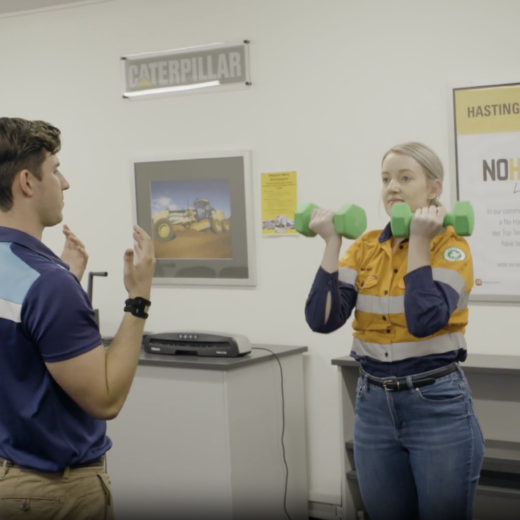
Regular training and assessments are vital for maintaining a safe and healthy workplace. They help employees stay informed about best practices and identify potential hazards before they cause harm.
A culture of health and safety thrives on open communication and active employee involvement. Encourage employees to voice their concerns, suggest improvements, and participate in health and safety initiatives.
Recognising and rewarding employees for their commitment to health and safety can motivate them to continue making positive choices.
Fostering a culture of health and safety in the workplace is a continuous effort that requires commitment from both management and employees. By implementing comprehensive wellness programs like Employ Health’s 8 Week Challenge, prioritising workstation ergonomics, offering regular training and assessments, encouraging open communication, and recognising healthy behaviours, businesses can create a safer, healthier, and more productive work environment. Employ Health is here to support you in building a workplace culture that prioritises the well-being of your employees. Let’s work together to make health and safety a top priority in your organisation.
Why Smoke-Free and Vape-Free Blue-Collar Workplaces Make Business Sense
Read moreOpportunities, Risks & How to Make Sense of It 700+ attendees. 70+ speakers. 30+ exhibitors.
Read moreMarch marks Sleep Awareness Month.It is a time to reflect on one of the most overlooked factors affecting workplace health, safety and productivity: sleep.
Read moreWhy overlapping work activities can create hidden safety risks
Read moreWhat the Latest FDA Update Means for Employers and Health Professionals
Read more—Why Onsite Physiotherapy Matters More Than Imaging in Workplace Shoulder Pain
Read moreThe amendments to the Work Health and Safety Regulation 2011 are now in effect. Since 29 July 2025, PCBUs are required to provide mandatory...
Read more–What It Means for Employers, Risk and Prevention
Read moreRead more
Secondary psychological injury often emerges during physical injury recovery — not from the original workplace event, but from uncertainty, leadership response and system design....
Read moreRead more
The People at Work (PAW) survey has been a widely used tool for assessing psychosocial hazards in Australian workplaces. However, Safe Work Australia has...
Read moreCan’t find what you’re after?
View all articles