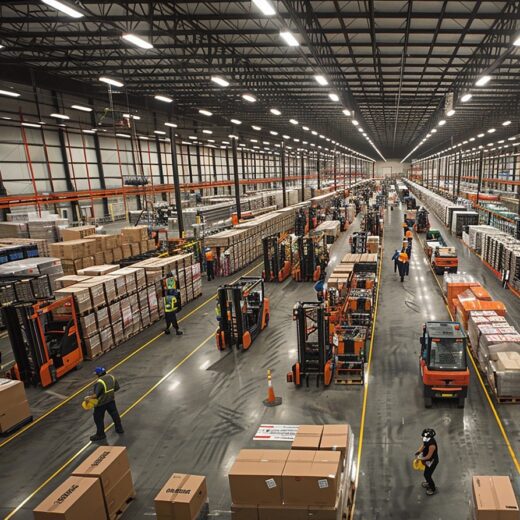
Forklift traffic and manual handling
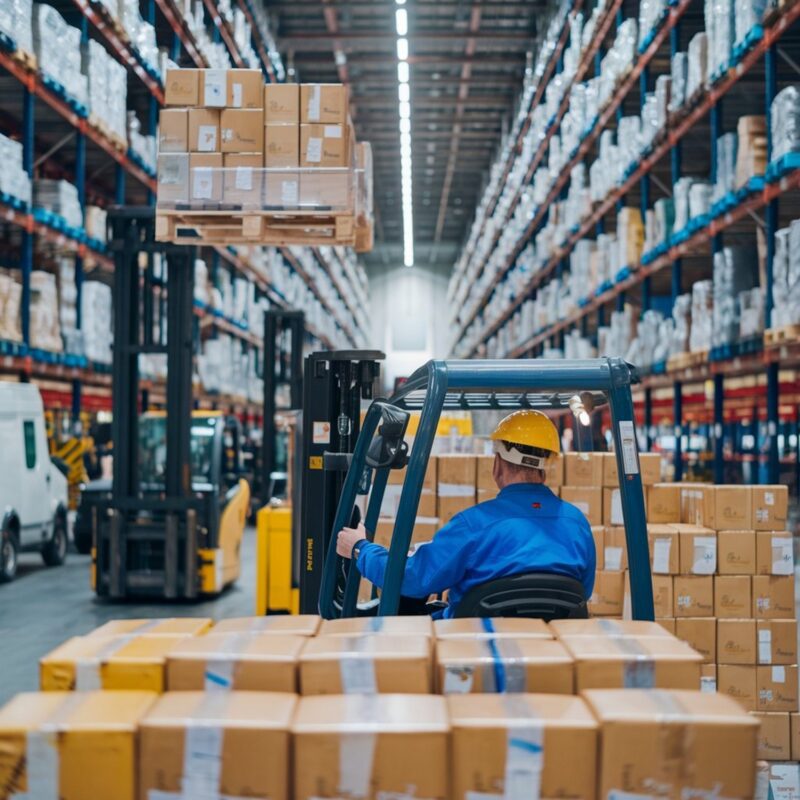
Workers handling product may share the same space as forklift traffic. Workers may rush lifts, twist awkwardly, or adjust their movements to stay clear of vehicles.
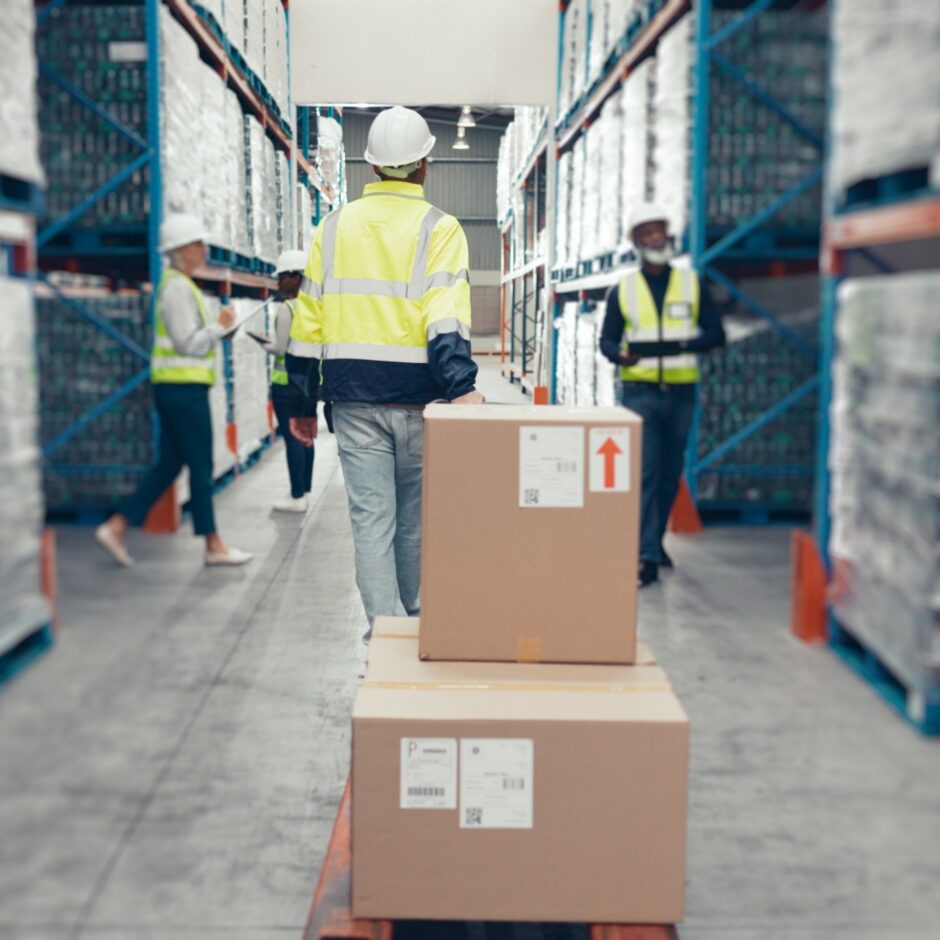
A forklift is moving through a work area while nearby LPG cylinders are being degassed. Both activities are normal parts of the operation. But when these two tasks occurred in the same space, the escaping gas ignited — causing an explosion that seriously injured the forklift driver.
This was the situation highlighted in a recent WorkSafe investigation.
Individually, both activities were legitimate tasks. But together, they created an ignition risk that led to a serious incident.
Many serious incidents don’t occur because a task itself is unsafe. They occur because two normal activities interact in ways that were never intended.
When tasks overlap in the same space or at the same time, new hazards can emerge. Hazards that may not exist when each activity is considered in isolation.
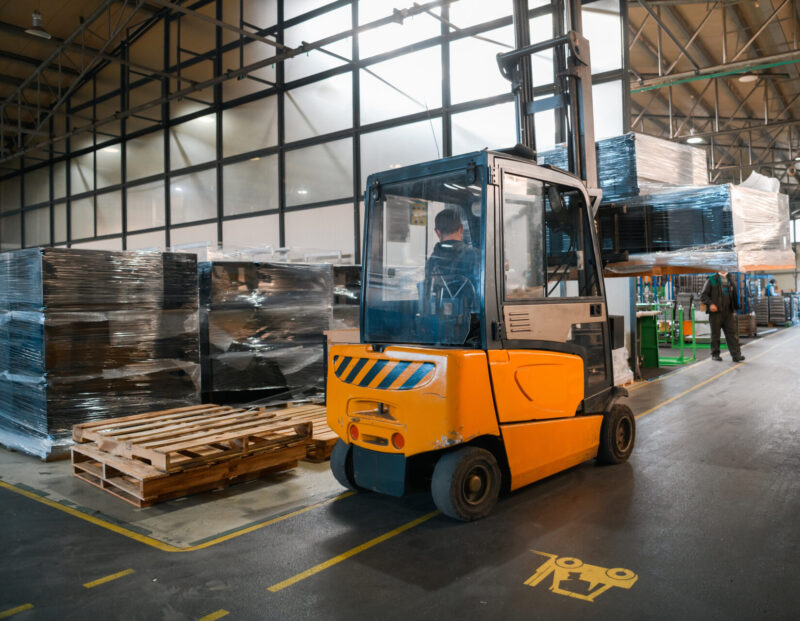
At Employ Health, we sometimes refer to this type of situation as a Two-Task Clash.
A Two-Task Clash occurs when two normal work activities interact in the same space or time, creating a risk that doesn’t exist when each task is performed independently.
Examples can include:
Individually, these tasks are safe and necessary. But when they overlap, they can create new hazards that are easy to miss.
This type of risk is common in routine operations.
Workers handling product may share the same space as forklift traffic. Workers may rush lifts, twist awkwardly, or adjust their movements to stay clear of vehicles.
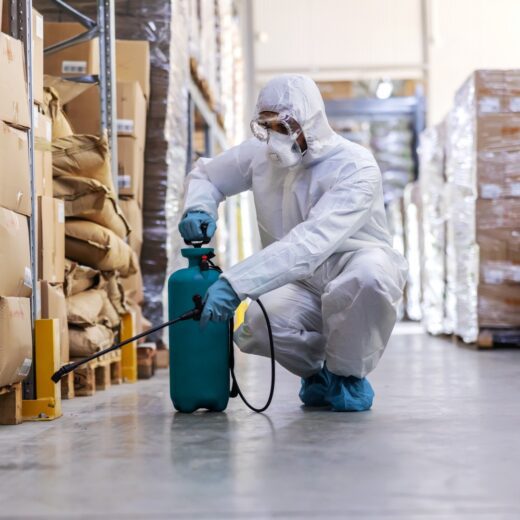
Sanitation teams may begin cleaning while production is still running. Wet floors, hoses, and cleaning chemicals can disrupt normal movement patterns and increase slip risks.

Maintenance teams often repair equipment while surrounding operations continue. Temporary removal of guards, tools in walkways, or workers navigating around repair work can introduce hazards that weren’t present during normal production.
In each case, the tasks themselves are legitimate.
The risk emerges when those activities interact in the same space or at the same time.
At Employ Health, our physiotherapists work directly on-site within production environments.
While we support injury management and treatment, a large part of our role is understanding how work places physical demands on the body in real operational environments.
Because we regularly observe work on the floor, we often see how different activities interact across a normal shift. It’s common to see workers subtly adapting their movements to navigate surrounding work:
These adjustments may seem minor, but over time they can increase both musculoskeletal injury risk and the likelihood of an incident.
Often the issue isn’t the task itself — it’s what else is happening around it.

Here’s a simple challenge for this week.
During your next site walk, focus on identifying where two normal activities could clash. Ask yourself:
Even identifying one Two-Task Clash can highlight an opportunity to reduce risk through simple changes such as separating tasks, adjusting workflow, or improving traffic management.
Serious incidents are sometimes associated with complex failures or technical faults. However, many occur because of much simpler factors.

By regularly observing how work is actually performed and how different activities interact. Leaders can often identify these risks early and prevent incidents before they occur.
Because on most sites, the biggest hazards don’t come from the task itself. They come from what else is happening around it.
Sometimes the most valuable safety insights come simply from watching how work actually happens.
 Onsite Physiotherapy
Resistance Training for Office Workers Can Resistance Training for Office Workers fix desk-job aches? A new systematic review and meta-analysis in the Journal of Occupational Rehabilitation...
Read more Onsite Physiotherapy
Musculoskeletal disorder prevention: Learn 4 Ways to Optimise Your Manual Handling Program Musculoskeletal disorders (MSDs) remain one of the largest health and safety problems in Australian...
Read more Onsite Physiotherapy
How Much Does Onsite Physiotherapy Cost? If you’ve searched this question, you’ve probably already spoken to a few providers and come away more confused than...
Read more Explainable AI
Explainable AI : If Your AI Can’t Explain Itself, You’re the One Liable By Employ Health | Workplace Health & Safety Artificial intelligence is moving fast...
Read more Toolbox Talks
Simple techniques to make toolbox talks more engaging, encourage participation, and help important safety messages cut through workplace autopilot. Every Conversation Shapes Your Culture: How to...
Read more Risk
Risk
Remote Work, Isolation, and Mental Health Most Australian businesses have done the work on remote work ergonomics. Standing desks, monitor heights, chair assessments — the...
Read more Pre-Employment Screening
The Future of Pre-Employment Screening For decades, pre-employment assessments have largely been descriptive: They document baseline function. They confirm compliance. They tell you whether someone meets minimum role...
Read more
AI in workplace health: The High Cost of Workplace Injuries and the Need for Innovation Workplace injuries carry a tremendous human and financial cost. In...
Read more
Contractor vs full-time workplace health is a decision many organisations make based on hourly rates alone. But when you look beyond the upfront cost,...
Read more
From PALMS recruitment hubs in Papua New Guinea and the Solomon Islands to direct hire from China and New Zealand, the medical, impairment and...
Read more
Delayed reporting is the quietest cost driver in workplace injury management. Here’s what the evidence says, and how Employ Health’s Rapid Response™ program is...
Read more
Three rate rises in five months have pushed money worries to the top of the workforce health agenda. Employ Health CEO Matthew Stewart speaks...
Read moreCan’t find what you’re after?
View all articles