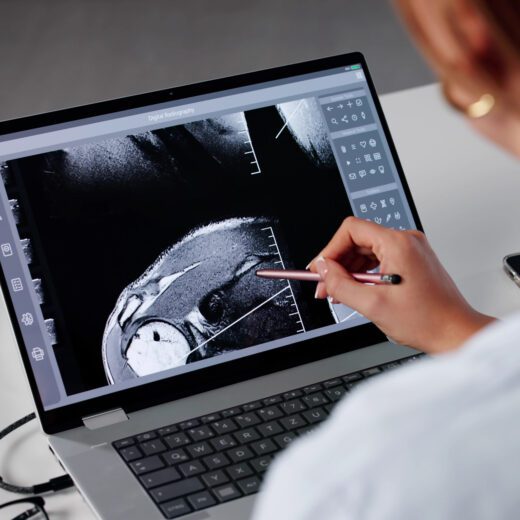
When MRI Findings Don’t Equal Injury
—Why Onsite Physiotherapy Matters More Than Imaging in Workplace Shoulder Pain
Read more
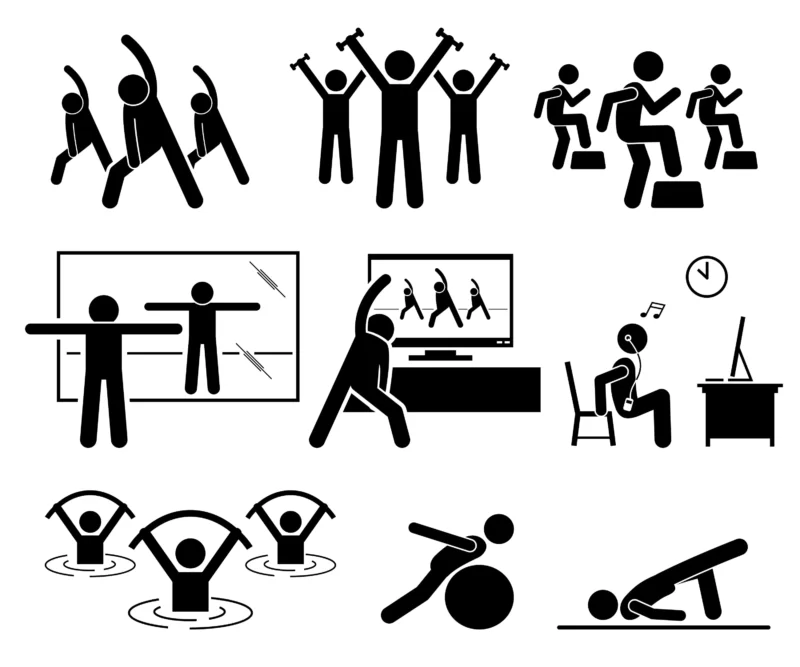
A typical program involves individualised, tailored exercises focused on improving:
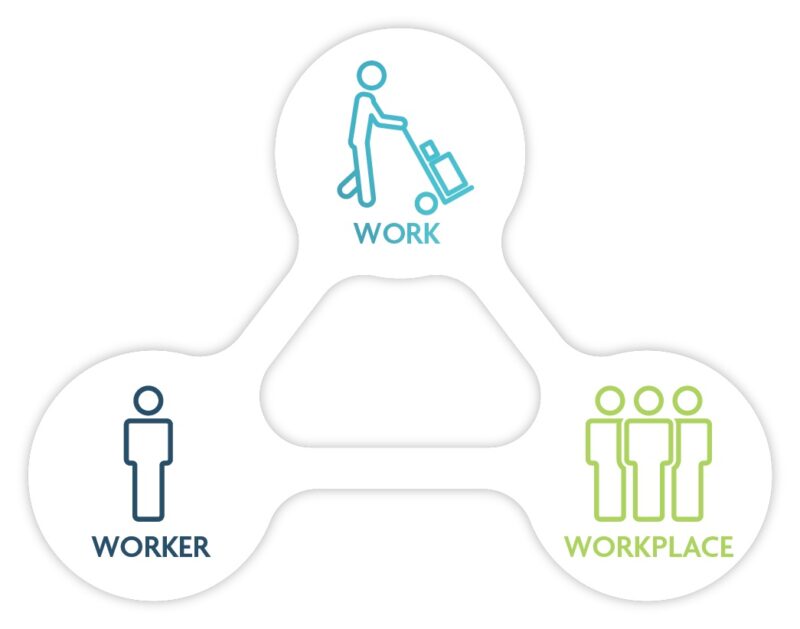
Functional capacity is the ability for an individual to meet the functional demands associated with their work, home and extracurricular tasks.
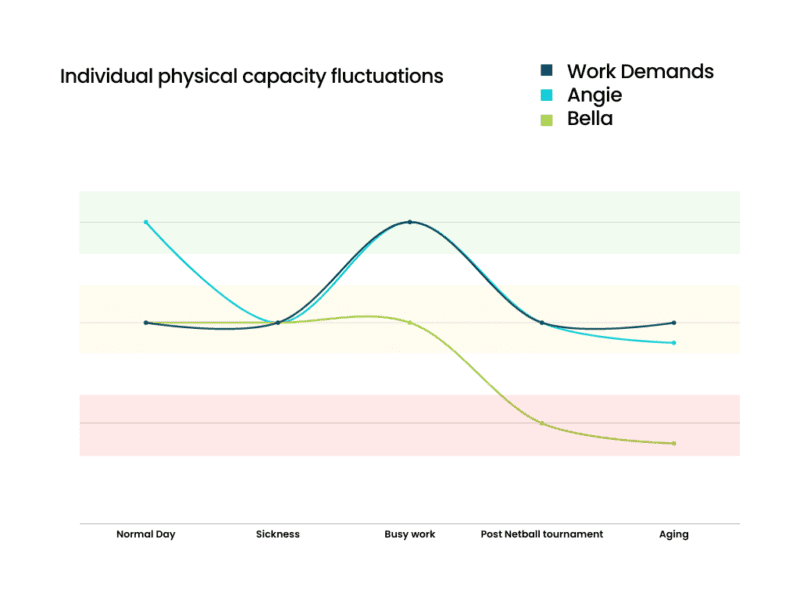
There are a number of factors that may influence personal capacity on any given day. This can include:
An individually prescribed prehabilitation exercise program is designed to increase the limits of an individual’s load bearing and stress capacity, increasing physical performance and their overall capacity to meet and exceed the demands of their work roles. Strength and conditioning prehabilitation exercises help improve a worker’s range of motion and mobility, increase their efficiency and performance, and reduce fatigue and chance of injury. The work and workplace benefits directly from healthy and strong staff.
In the same way that someone’s capacity is not always the same day in and day out, often the physical demands of their workload can fluctuate. Like accountants around the end of the financial year, or retail workers in the December Christmas rush, every industry experiences natural fluctuations in mental & physical demand. The same is true for home and recreational life – pre-season football training differs greatly from game season and off season, as does the demand of school terms vs. school holidays.

Improved health metrics are a well known outcome of exercising – some helpful information detailing recommendations and benefits can be found here. Prehabilitation exercises can be used prior to a known stressor on the body, such as before surgery, radiotherapy, etc.; there are a number of studies which have demonstrated improved post-surgical outcomes when prehabilitation preceded the operation.
There is strong evidence that suggests exercise improves concentration, stress management and levels of engagement, which naturally leads to greater productivity. Furthermore, lower absenteeism from injury directly enhances job performance and productivity. By lowering risk of injury with prehabilitation exercises, there are lower incidences of lost time injuries and WorkCover claims.
Increased capacity of staff and decreased risk of injury has significant positive financial benefits for individuals and businesses. Decreased rates of absenteeism and lost time injuries increases efficiency and lowers WorkCover insurance premiums. From a personal perspective, preventing injury and illness related absent days also directly benefits an individual’s financial security. Prehabilitation exercises are a great way to improve both of these financial indicators.
—Why Onsite Physiotherapy Matters More Than Imaging in Workplace Shoulder Pain
Read more
The amendments to the Work Health and Safety Regulation 2011 are now in effect. Since 29 July 2025, PCBUs are required to provide mandatory...
Read more
–What It Means for Employers, Risk and Prevention
Read more
Read more

Secondary psychological injury often emerges during physical injury recovery — not from the original workplace event, but from uncertainty, leadership response and system design....
Read more
Read more

The People at Work (PAW) survey has been a widely used tool for assessing psychosocial hazards in Australian workplaces. However, Safe Work Australia has...
Read more
After a long-awaited two-week vacation, a veteran manufacturing worker returns to the production line feeling refreshed. Within days, he wrenches his back lifting a...
Read more
Read more

On the 24th and 25th of October, the EmployHealth tribe from across Australia and New Zealand came together at Surfing Australia in northern NSW...
Read more
A study from an Australian poultry processing plant found that organisational culture — especially safety climate and disability management practices — had a major...
Read more
A 19-year Swedish study of 200,000+ construction workers has confirmed strong links between repetitive manual work and the need for carpal tunnel surgery. Tasks...
Read moreCan’t find what you’re after?
View all articles