




Health Beyond the Physical: Why Financial Stress Is a Workplace Wellbeing Issue
Three rate rises in five months have pushed money worries to the top of the workforce health agenda. Employ Health CEO Matthew Stewart speaks...
Read moreFor many organisations, this represents a shift from reactive hearing checks to structured, scheduled health surveillance. At Employ Health, we are supporting clients to ensure their programs align with the updated requirements. Here’s what you need to know.
Audiometric testing is required when:
It is important to note:
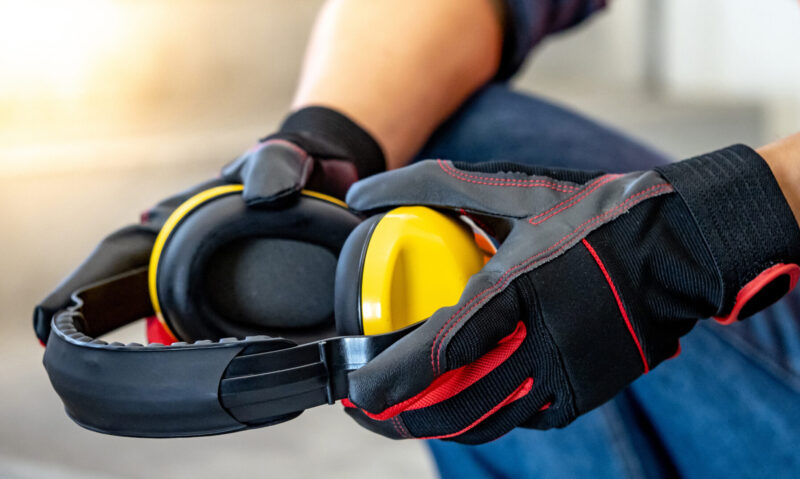
Providing hearing protection alone does not automatically trigger the obligation. The exposure standard must be exceeded and the PPE must be mandatory.
This applies across all industries, not just traditionally “high-noise” sectors.
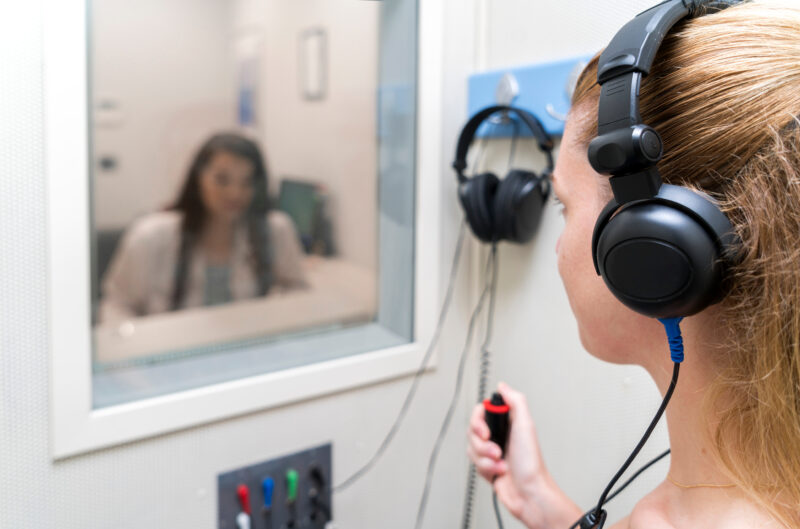
Audiometric testing is a painless, non-invasive assessment that measures a worker’s hearing threshold across different sound frequencies.
It is designed to:
Noise-induced hearing loss is permanent — early identification matters.
The following compliance timeframes now apply:
Workers who commenced on or after 29 July 2025
Workers who commenced prior to 29 July 2025
For large or distributed workforces, this transition period requires structured rollout planning.
Failure to provide required testing may result in penalties of up to 60 penalty units (approximately $6,000).
Regulators may also issue:
Beyond financial penalties, non-compliance may expose organisations to broader risk if preventable hearing loss occurs.
The responsibility sits with the PCBU.
The PCBU must:
Testing can be conducted through compliant audiology providers. No GP referral is required.
Most organisations should review:
Noise Risk Assessments
Confirm where exposure standards are exceeded.
PPE Requirements
Clarify where hearing protection is mandatory rather than optional.
Workforce Mapping
Identify which roles and workers fall within scope.
Testing Logistics
Consider onsite versus offsite testing, shift-based workforces, remote and regional teams, and contractor inclusion.
Tracking and Recall Systems
Two-year review cycles must be monitored and documented.
While this is a regulatory requirement, it is also an opportunity to strengthen occupational health systems.
Well-structured audiometric programs:
For organisations already managing health monitoring (e.g. respiratory, lead, hazardous substances), audiometric surveillance should integrate into a broader occupational health framework.
Employ Health provides:
Our approach is practical and designed to minimise operational disruption while ensuring compliance.
The regulatory change is now in effect. If your organisation has not yet reviewed its noise exposure profile, testing schedule or recall systems, now is the time to act. A structured audiometric program does more than meet compliance requirements — it strengthens defensible risk management, protects workers, and reduces long-term liability exposure.
Three rate rises in five months have pushed money worries to the top of the workforce health agenda. Employ Health CEO Matthew Stewart speaks...
Read more
Why Smoke-Free and Vape-Free Blue-Collar Workplaces Make Business Sense
Read more
Opportunities, Risks & How to Make Sense of It 700+ attendees. 70+ speakers. 30+ exhibitors.
Read more
March marks Sleep Awareness Month.It is a time to reflect on one of the most overlooked factors affecting workplace health, safety and productivity: sleep.
Read more
Why overlapping work activities can create hidden safety risks
Read more
What the Latest FDA Update Means for Employers and Health Professionals
Read more
—Why Onsite Physiotherapy Matters More Than Imaging in Workplace Shoulder Pain
Read more
The amendments to the Work Health and Safety Regulation 2011 are now in effect. Since 29 July 2025, PCBUs are required to provide mandatory...
Read more
–What It Means for Employers, Risk and Prevention
Read more
Read more
Secondary psychological injury often emerges during physical injury recovery — not from the original workplace event, but from uncertainty, leadership response and system design....
Read more
Read more
Can’t find what you’re after?
View all articles