
Why Contractor-Based Workplace Health Could Be Costing Your Business More
Contractor vs full-time workplace health is a decision many organisations make based on hourly rates alone. But when you look beyond the upfront cost,...
Read more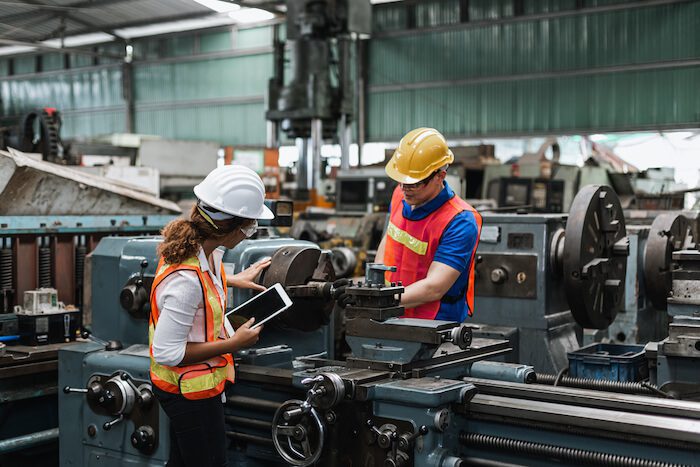
Manual handling involves any activity requiring an individual to lift, lower, push, pull, carry, or move an object, person, or animal. In a manufacturing setting, this might include handling of raw materials, components, machinery, tools, or finished products. Incorrect manual handling techniques can result in a range of injuries and health issues, especially in tasks that are repetitive, involve heavy or awkward loads, or necessitate uncomfortable positions.
Employ Health’s Manual Handling Training programs are comprehensive and designed to educate manufacturing workers on safe and efficient handling techniques. Delivered on-site by our expert physiotherapists, this training is specifically developed to meet the diverse demands of your manufacturing environment. Aligning with AHPRA standards and compliance, our program include:
Inappropriate manual handling within manufacturing can lead to various challenges, such as:
Effective manual handling training brings numerous benefits to the manufacturing environment, including:
Educating workers on proper handling techniques significantly reduces the risk of workplace injuries, leading to a healthier and more consistent workforce.
Adhering to AHPRA guidelines ensures a safe working environment and meets regulatory standards.
Proper handling techniques can improve operational efficiency, reduce time lost to injuries, and enhance employee morale as they feel safer and more valued.
Preventing injuries results in lower expenses related to workers' compensation, legal liabilities, and insurance premiums.
Choosing Employ Health’s Manual Handling Training for your manufacturing workforce is an investment in their health, safety, and productivity. Our tailored, on-site training is designed to provide your team with the skills and knowledge needed to perform their tasks safely and effectively. Reach out to us today to incorporate Manual Handling Training into your operations, and foster a skilled, safety-conscious, and efficient workforce in your manufacturing facility.
Contractor vs full-time workplace health is a decision many organisations make based on hourly rates alone. But when you look beyond the upfront cost,...
Read more
From PALMS recruitment hubs in Papua New Guinea and the Solomon Islands to direct hire from China and New Zealand, the medical, impairment and...
Read more
Delayed reporting is the quietest cost driver in workplace injury management. Here’s what the evidence says, and how Employ Health’s Rapid Response™ program is...
Read more
Three rate rises in five months have pushed money worries to the top of the workforce health agenda. Employ Health CEO Matthew Stewart speaks...
Read more
Why Smoke-Free and Vape-Free Blue-Collar Workplaces Make Business Sense
Read more
Opportunities, Risks & How to Make Sense of It 700+ attendees. 70+ speakers. 30+ exhibitors.
Read more
March marks Sleep Awareness Month.It is a time to reflect on one of the most overlooked factors affecting workplace health, safety and productivity: sleep.
Read more
Why overlapping work activities can create hidden safety risks
Read more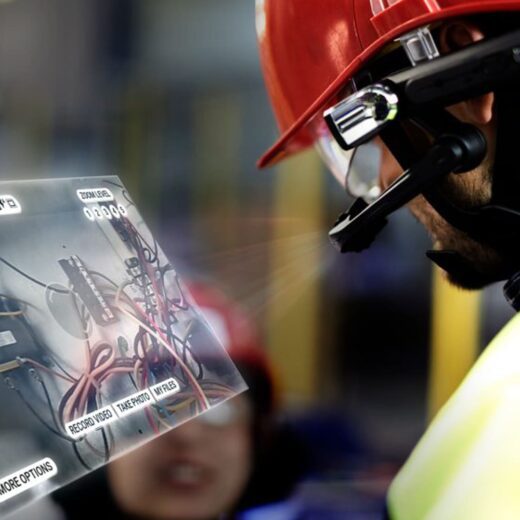
What the Latest FDA Update Means for Employers and Health Professionals
Read more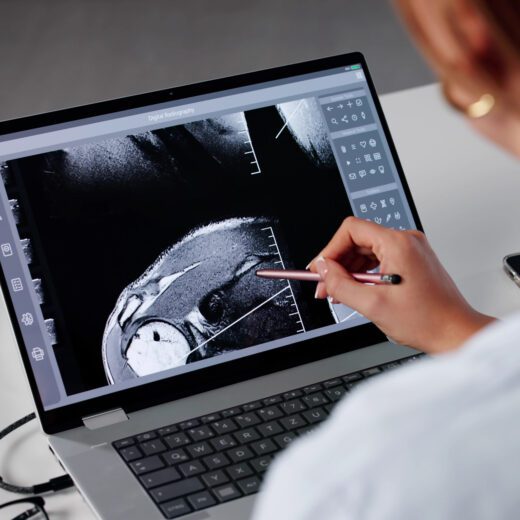
—Why Onsite Physiotherapy Matters More Than Imaging in Workplace Shoulder Pain
Read more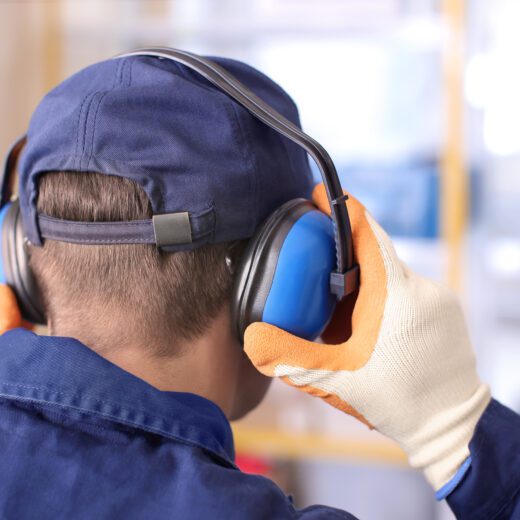
The amendments to the Work Health and Safety Regulation 2011 are now in effect. Since 29 July 2025, PCBUs are required to provide mandatory...
Read more
–What It Means for Employers, Risk and Prevention
Read moreCan’t find what you’re after?
View all articles