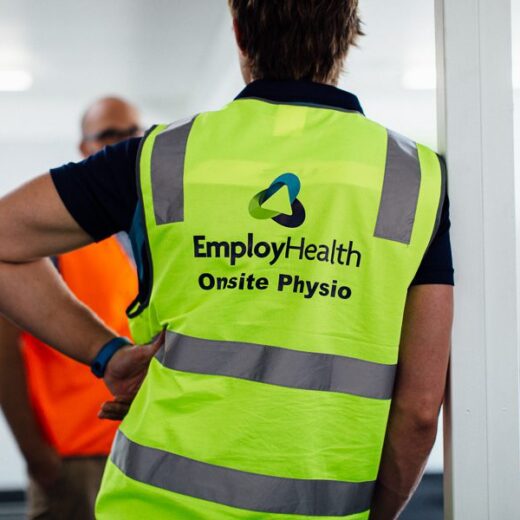
 Onsite Physiotherapy
How Much Does an Onsite Physiotherapist Cost?
How Much Does Onsite Physiotherapy Cost? If you’ve searched this question, you’ve probably already spoken to a few providers and come away more confused than...
Read more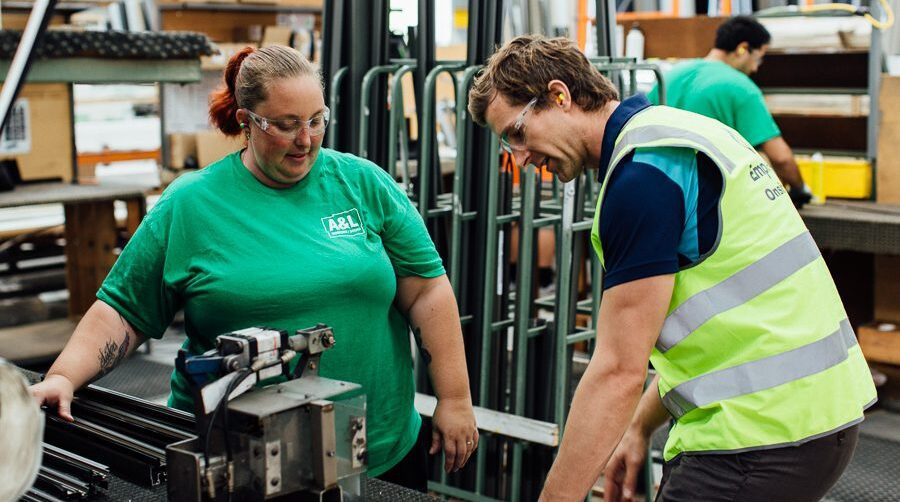
Identifying and analysing hazardous manual tasks specific to Sydney’s work environments is the first crucial step. Employ Health’s evidence-based tools assist you to understand risks and implement appropriate control measures to reduce or eliminate them.
A Manual Task Risk Assessment (ManTRA) is a tailored tool designed for assessing musculoskeletal risk factors in manual tasks across many workplaces across Australia, including Sydney. It combines task duration and characteristic analysis to enable accurate risk assessment and control measure development.
For effective adaptation in Sydney, the ManTRA involves:
The assessment focuses on key aspects such as task frequency, cycle time, force, speed, awkwardness, and vibration, considering four body regions. This process is in line with advisory standards for comprehensive risk evaluation.
Customised risk control measures are then recommended, specifically addressing the requirements of your Sydney based workplace.
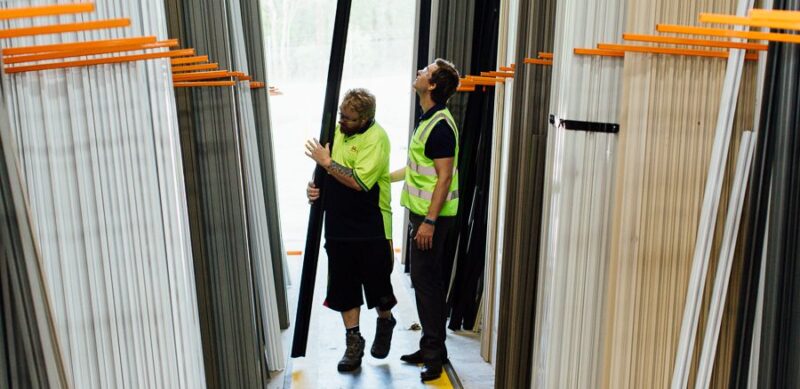
Sydney businesses can also benefit from integrating the PErforM tool (Participative Ergonomics for Manual Tasks) with ManTRA. This approach emphasises employee participation in risk identification and management, enhancing the effectiveness of the assessments.
Utilising ManTRA ensures that Sydney businesses adhere to WHS obligations, encompassing a holistic risk management approach.
Engaging in the ManTRA process helps workers understand risk management specific to Sydney’s workplaces, fostering safer working environments.
Effective manual task risk management decreases the likelihood of musculoskeletal injuries in the workplace.
Implementing ManTRA and PErforM strengthens health and safety culture within Sydney’s diverse workplaces, mitigating risks in various operational areas.
Sydney-based businesses that implement ManTRA have reported significant reductions in sprain and strain injury claims.
A ManTRA should be undertaken when manual handling hazards are identified. This involves on-site consultations with workers and safety representatives, and reviewing local injury data to identify tasks with elevated MSD risk.
Employ Health’s full-time physiotherapists are located around Australia including Sydney and have vast experience a broad range of occupational environments. Our expertise in ManTRA and PErforM ensures a deep understanding of specific risk management challenges. These are aligned with the Hierarchy of Controls and the Code of Practice: Hazardous Manual Tasks.
Onsite Physiotherapy
How Much Does Onsite Physiotherapy Cost? If you’ve searched this question, you’ve probably already spoken to a few providers and come away more confused than...
Read more Explainable AI
Explainable AI : If Your AI Can’t Explain Itself, You’re the One Liable By Employ Health | Workplace Health & Safety Artificial intelligence is moving fast...
Read more Toolbox Talks
Simple techniques to make toolbox talks more engaging, encourage participation, and help important safety messages cut through workplace autopilot. Every Conversation Shapes Your Culture: How to...
Read more Work Policy
Remote Work, Isolation, and Mental Health Most Australian businesses have done the work on remote work ergonomics. Standing desks, monitor heights, chair assessments — the...
Read more Pre-Employment Screening
The Future of Pre-Employment Screening For decades, pre-employment assessments have largely been descriptive: They document baseline function. They confirm compliance. They tell you whether someone meets minimum role...
Read more
AI in workplace health: The High Cost of Workplace Injuries and the Need for Innovation Workplace injuries carry a tremendous human and financial cost. In...
Read more
Contractor vs full-time workplace health is a decision many organisations make based on hourly rates alone. But when you look beyond the upfront cost,...
Read more
From PALMS recruitment hubs in Papua New Guinea and the Solomon Islands to direct hire from China and New Zealand, the medical, impairment and...
Read more
Delayed reporting is the quietest cost driver in workplace injury management. Here’s what the evidence says, and how Employ Health’s Rapid Response™ program is...
Read more
Three rate rises in five months have pushed money worries to the top of the workforce health agenda. Employ Health CEO Matthew Stewart speaks...
Read more
Why Smoke-Free and Vape-Free Blue-Collar Workplaces Make Business Sense
Read more Opportunities, Risks & How to Make Sense of It 700+ attendees. 70+ speakers. 30+ exhibitors.
Read moreCan’t find what you’re after?
View all articles