
The Future of Wearable Technology in the Workplace
Opportunities, Risks & How to Make Sense of It 700+ attendees. 70+ speakers. 30+ exhibitors.
Read moreCaused by repetitive overhead activities or lifting, leading to tendon inflammation and pain.
Inflammation of the bursae, often due to repetitive motion or pressure on the shoulder.
Characterised by stiffness and pain in the shoulder joint, often developing from lack of movement or previous injury.
These can occur from lifting heavy items or sudden, awkward movements.
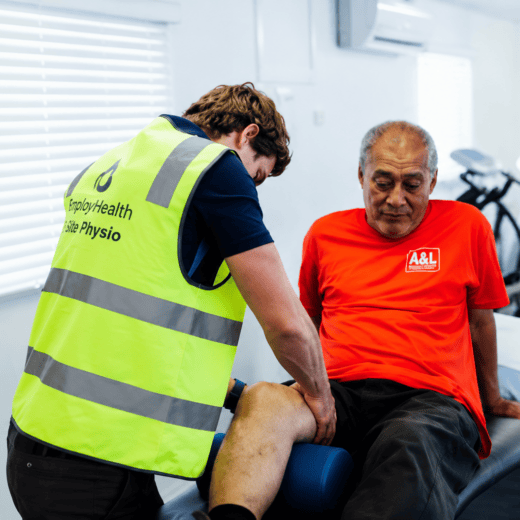
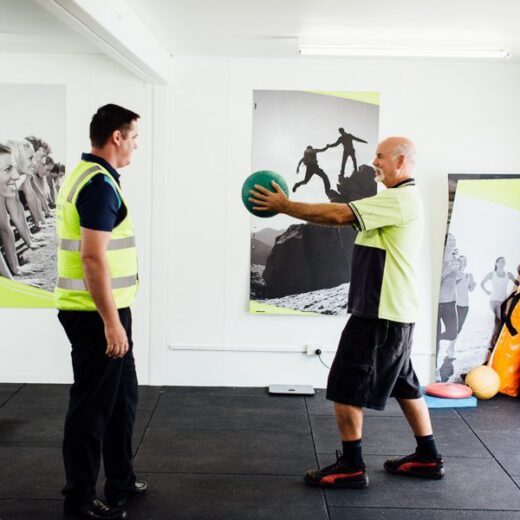
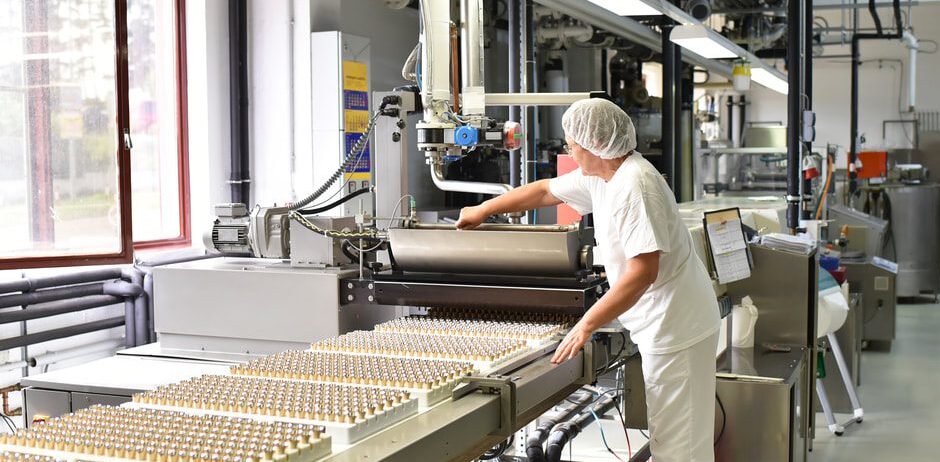
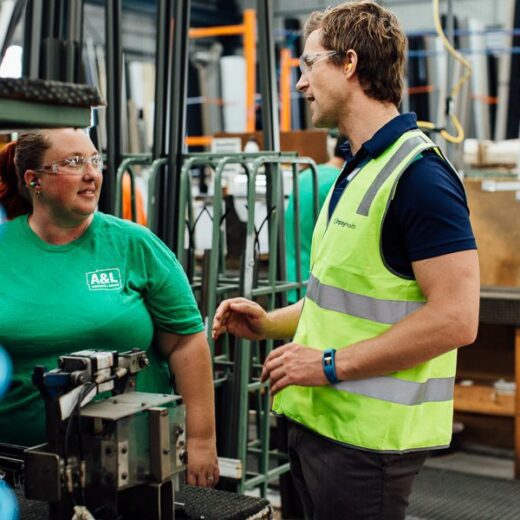
Our onsite physiotherapy services are customised to meet the needs of the food processing industry. Our physiotherapists work directly in the workplace, offering targeted treatments and exercises to alleviate and prevent shoulder pain.
Early intervention is crucial in managing shoulder pain. Our onsite physiotherapy services are designed to prevent injuries from occurring, and when they do, promptly address the initial symptoms, providing timely and effective care that can prevent the progression of more serious conditions.
Employ Health provides comprehensive medical screenings for potential employees, assessing their suitability for the physically demanding roles within the food processing industry. This assists in minimising the risk of shoulder injuries by ensuring proper job fit.
For workers who have experienced shoulder injuries, our workplace physiotherapists provide treatment and exercise programs to rehabilitate, restore strength, mobility, and functionality to your workers shoulder. This comprehensive approach ensures a safe and effective approach to managing the health of your workforce and maximising productivity.
Our job capacity matching service evaluates the physical demands of specific roles within the food processing industry and aligns them with the capabilities of the workforce. This reduces the risk of musculoskeletal disorders, particularly related to shoulder pain.
Employ Health provides detailed ergonomic assessments tailored to the food processing environment. Our recommendations are designed to optimise workstations and processes, reducing the risk of shoulder injuries through ergonomic improvements and the use of appropriate supportive equipment.
Opportunities, Risks & How to Make Sense of It 700+ attendees. 70+ speakers. 30+ exhibitors.
Read more
March marks Sleep Awareness Month.It is a time to reflect on one of the most overlooked factors affecting workplace health, safety and productivity: sleep.
Read more
Why overlapping work activities can create hidden safety risks
Read more
What the Latest FDA Update Means for Employers and Health Professionals
Read more
—Why Onsite Physiotherapy Matters More Than Imaging in Workplace Shoulder Pain
Read more
The amendments to the Work Health and Safety Regulation 2011 are now in effect. Since 29 July 2025, PCBUs are required to provide mandatory...
Read more
–What It Means for Employers, Risk and Prevention
Read more
Read more
Secondary psychological injury often emerges during physical injury recovery — not from the original workplace event, but from uncertainty, leadership response and system design....
Read more
Read more
The People at Work (PAW) survey has been a widely used tool for assessing psychosocial hazards in Australian workplaces. However, Safe Work Australia has...
Read more
After a long-awaited two-week vacation, a veteran manufacturing worker returns to the production line feeling refreshed. Within days, he wrenches his back lifting a...
Read moreCan’t find what you’re after?
View all articles