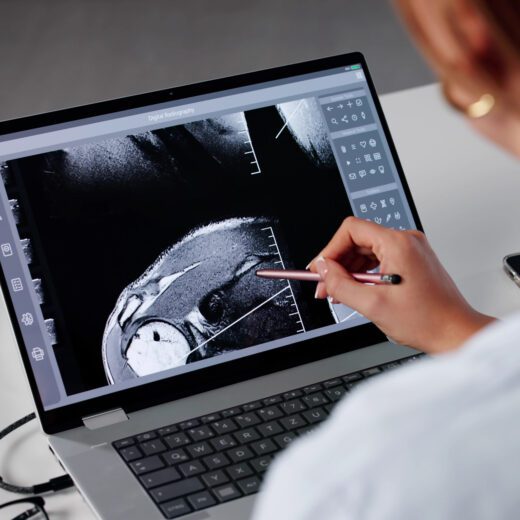
When MRI Findings Don’t Equal Injury
—Why Onsite Physiotherapy Matters More Than Imaging in Workplace Shoulder Pain
Read more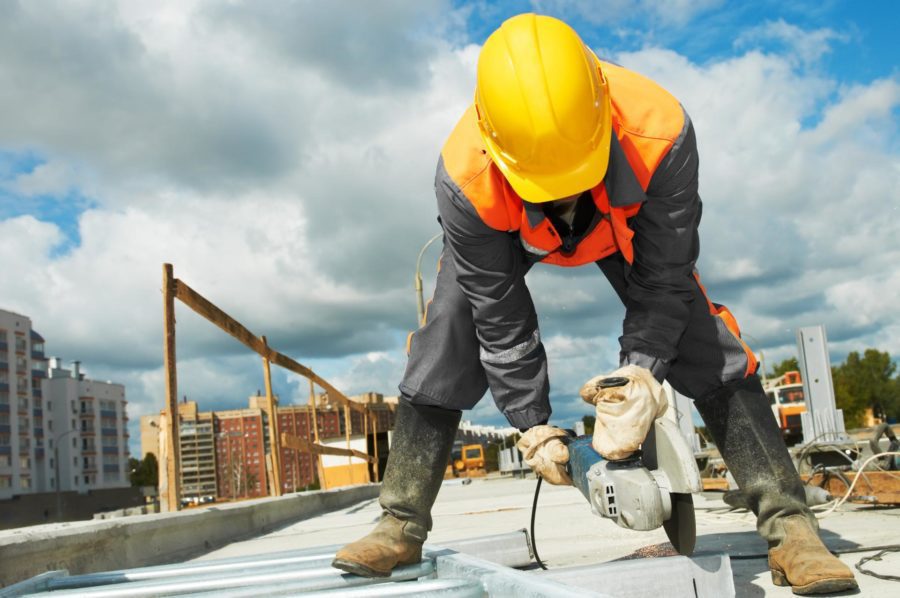
Often a result of lifting heavy materials or prolonged bending, lower back strain is one of the most reported issues among construction workers.
The impact of carrying heavy loads can lead to the displacement or rupture of the intervertebral discs, causing pain and numbness.
This condition may develop due to the cumulative wear and tear on the spine over time.
Compression or irritation of the sciatic nerve can lead to sharp pain that radiates from the lower back to the legs.
Persistent back pain can stem from inadequate recovery time, repetitive motions, and suboptimal work practices.
Employ Health brings expert physiotherapy services directly to the construction site, offering convenience and immediate care. Our therapists provide personalised treatments and preventive strategies that are crucial for workers who rely heavily on their physical health for job performance.
Recognizing the first signs of back discomfort can dramatically reduce the progression to more serious conditions. Our early intervention approach focuses on swift action, delivering physiotherapy at the earliest indication of back strain, thus minimising injury severity and downtime.
With our thorough pre-employment screenings, Employ Health ensures that all potential hires have the physical capability to safely handle the demands of their role, which is a key step in preventing back injuries before they occur.
Our tailored rehabilitation programs are designed to not only address the pain but also the source of the injury. Through a combination of therapeutic exercises and education, we assist workers in achieving optimal recovery and preventing future injuries.
By evaluating and matching the physical job requirements with the workers’ abilities, we can reduce the incidence of back issues. This ensures that workers are engaged in tasks suitable to their physical capabilities, thereby lowering the risk of musculoskeletal injuries.
Our ergonomic assessments are integral in identifying and rectifying risk factors in the work environment. We provide actionable recommendations that can transform the site – from how tools and materials are handled to the layout of the work area – to support the workers' spinal health.

—Why Onsite Physiotherapy Matters More Than Imaging in Workplace Shoulder Pain
Read more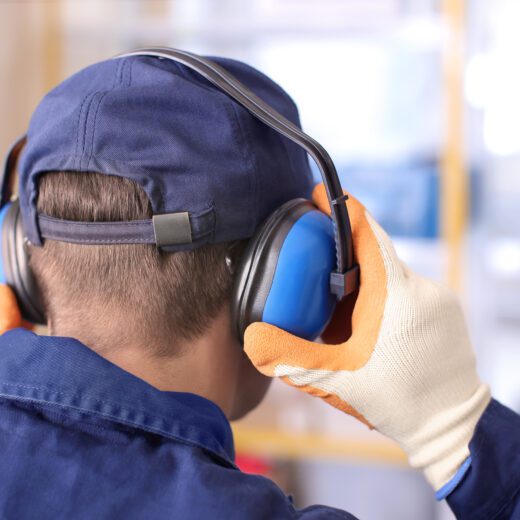
The amendments to the Work Health and Safety Regulation 2011 are now in effect. Since 29 July 2025, PCBUs are required to provide mandatory...
Read more
–What It Means for Employers, Risk and Prevention
Read more
Read more

Secondary psychological injury often emerges during physical injury recovery — not from the original workplace event, but from uncertainty, leadership response and system design....
Read more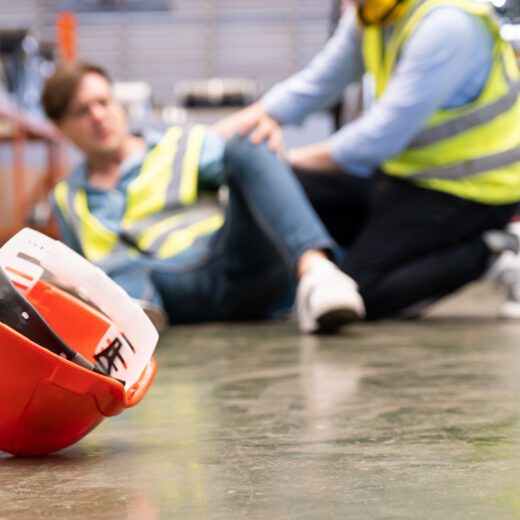
Read more

The People at Work (PAW) survey has been a widely used tool for assessing psychosocial hazards in Australian workplaces. However, Safe Work Australia has...
Read more
After a long-awaited two-week vacation, a veteran manufacturing worker returns to the production line feeling refreshed. Within days, he wrenches his back lifting a...
Read more
Read more

On the 24th and 25th of October, the EmployHealth tribe from across Australia and New Zealand came together at Surfing Australia in northern NSW...
Read more
A study from an Australian poultry processing plant found that organisational culture — especially safety climate and disability management practices — had a major...
Read more
A 19-year Swedish study of 200,000+ construction workers has confirmed strong links between repetitive manual work and the need for carpal tunnel surgery. Tasks...
Read moreCan’t find what you’re after?
View all articles