When MRI Findings Don’t Equal Injury
—Why Onsite Physiotherapy Matters More Than Imaging in Workplace Shoulder Pain
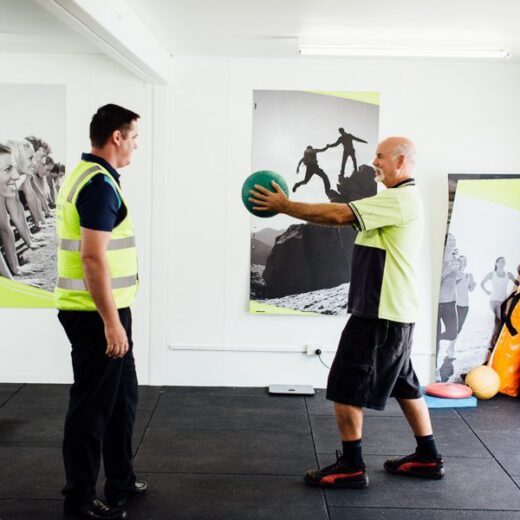
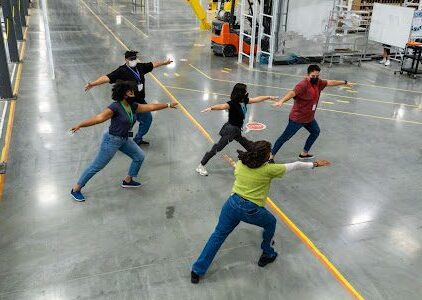
Read moreWarm-up exercises assist in preparing the body for physical activity. They gradually increase heart rate and circulation, loosen joints, and increase blood flow to the muscles. This preparation is important in the workplace, especially in jobs that require physical labour or repetitive motions.
By preparing muscles and joints, warm-ups can reduce the risk of strains, sprains, and muscle tears.
Regular stretching improves flexibility, which is important for tasks that require bending, lifting, or reaching.
Warming up muscles assists with increasing their efficiency, which can improve overall performance and reduce the effort needed for manual tasks.
Warm-ups can increase alertness by improving circulation and oxygen flow to the brain.
Employ Health has developed custom Dynamic Warm-Up and Stretching Programs tailored to different workplace environments which we further tailor to the needs of your business.
Our programs are not one-size-fits-all; they are customised to meet the specific physical demands of your workplace. This ensures that the exercises are relevant, effective, and directly contribute to preventing workplace injuries within your organisation.
Your program is developed and delivered by experienced physiotherapists who are dedicated workplace health practitioners that understand the mechanics of workplace injuries and prevention strategies. Our locally based Australia and New Zealand team are all full time employees who will guide your workers through your customised, safe and effective warm-up routines, assisting your team to perform each movement correctly.
Your program will be designed to be seamlessly integrated into your workday. Whether it’s a quick session at the start of the day or brief stretching breaks throughout, your program will integrate with what fits the needs and cadence of your workday routine.
By incorporating a customised Warm Up program into your workplace health program you are adding an important ingredient in the mix of solutions for injury prevention. This not only helps in reducing the incidence of workplace injuries but also promotes a culture of health, safety and care in your workplace.
Warm-ups are an important ingredient in the prevention of workplace injuries. They prepare the body for the physical demands of the job, reducing the risk of injury and enhancing overall performance. Employ Health’s Dynamic Warm-Up and Stretching Programs provide a practical and effective solution to incorporate these benefits into your workplace. Contact Employ Health now to discuss how we can work with you to design your warm up program.
—Why Onsite Physiotherapy Matters More Than Imaging in Workplace Shoulder Pain
Read moreThe amendments to the Work Health and Safety Regulation 2011 are now in effect. Since 29 July 2025, PCBUs are required to provide mandatory...
Read more–What It Means for Employers, Risk and Prevention
Read moreRead more
Secondary psychological injury often emerges during physical injury recovery — not from the original workplace event, but from uncertainty, leadership response and system design....
Read moreRead more
The People at Work (PAW) survey has been a widely used tool for assessing psychosocial hazards in Australian workplaces. However, Safe Work Australia has...
Read moreAfter a long-awaited two-week vacation, a veteran manufacturing worker returns to the production line feeling refreshed. Within days, he wrenches his back lifting a...
Read moreRead more
On the 24th and 25th of October, the EmployHealth tribe from across Australia and New Zealand came together at Surfing Australia in northern NSW...
Read moreA study from an Australian poultry processing plant found that organisational culture — especially safety climate and disability management practices — had a major...
Read moreA 19-year Swedish study of 200,000+ construction workers has confirmed strong links between repetitive manual work and the need for carpal tunnel surgery. Tasks...
Read moreCan’t find what you’re after?
View all articles