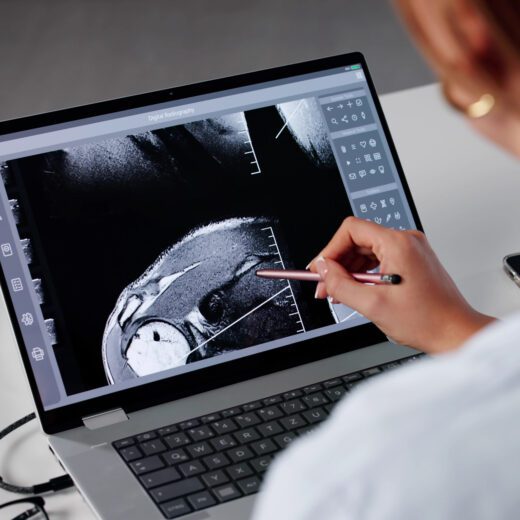
When MRI Findings Don’t Equal Injury
—Why Onsite Physiotherapy Matters More Than Imaging in Workplace Shoulder Pain
Read more
Training equips workers with the knowledge and skills to perform physical tasks safely and efficiently. It helps them understand how to use their body correctly, avoid unnecessary strain, and reduce the risk of injury on the job. More importantly, it fosters a proactive safety culture where staff are confident to identify risks and adjust their approach before harm occurs.
For businesses, ensuring your team is properly trained is a critical part of meeting your duty of care obligations. When workers know how to handle loads correctly, the chance of injury drops significantly—reducing the cost of claims, downtime, and lost productivity.
Manual handling isn’t a “set and forget” skill. Over time, people can develop bad habits or become complacent. In some cases, changes in equipment, tasks, or workflow mean that techniques once considered safe are no longer the most effective. That’s why regular refreshers are so important.
By updating training every 12 to 24 months—or sooner when new risks emerge—you keep safety knowledge fresh and relevant. You also demonstrate a genuine commitment to your team’s wellbeing, which can lift morale and encourage greater engagement with safety initiatives overall.
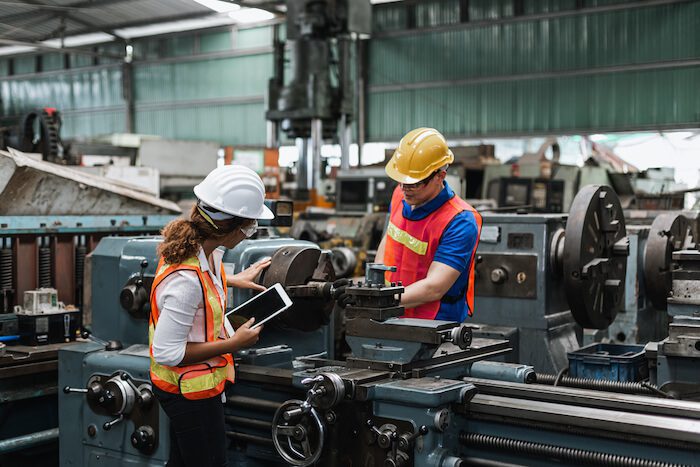
As a rule of thumb, training should be reviewed annually and repeated at least every two years. However, additional sessions should be scheduled when your workplace introduces new equipment or procedures, when onboarding new employees, or after an incident or near miss. These moments are key opportunities to reinforce safe behaviours and address any gaps before they lead to injury.
Employ Health delivers tailored manual handling training that goes beyond ticking compliance boxes. Our approach is practical, hands-on, and adapted to the specific physical demands of your work environment. Rather than generic presentations, we provide engaging training that speaks directly to the real tasks your workers perform—whether it’s lifting in a storeroom, transferring patients, or shifting materials on a worksite.
We can also support your business in embedding manual handling awareness into your broader health and safety program. From onboarding new staff to refresher sessions for experienced teams, our goal is to help reduce injuries and improve confidence, performance, and wellbeing at work.
—Why Onsite Physiotherapy Matters More Than Imaging in Workplace Shoulder Pain
Read more
The amendments to the Work Health and Safety Regulation 2011 are now in effect. Since 29 July 2025, PCBUs are required to provide mandatory...
Read more
–What It Means for Employers, Risk and Prevention
Read more
Read more

Secondary psychological injury often emerges during physical injury recovery — not from the original workplace event, but from uncertainty, leadership response and system design....
Read more
Read more

The People at Work (PAW) survey has been a widely used tool for assessing psychosocial hazards in Australian workplaces. However, Safe Work Australia has...
Read more
After a long-awaited two-week vacation, a veteran manufacturing worker returns to the production line feeling refreshed. Within days, he wrenches his back lifting a...
Read more
Read more

On the 24th and 25th of October, the EmployHealth tribe from across Australia and New Zealand came together at Surfing Australia in northern NSW...
Read more
A study from an Australian poultry processing plant found that organisational culture — especially safety climate and disability management practices — had a major...
Read more
A 19-year Swedish study of 200,000+ construction workers has confirmed strong links between repetitive manual work and the need for carpal tunnel surgery. Tasks...
Read moreCan’t find what you’re after?
View all articles