When MRI Findings Don’t Equal Injury
—Why Onsite Physiotherapy Matters More Than Imaging in Workplace Shoulder Pain
Read moreThe meat industry requires workers to perform a range of activities including lifting, carrying, pushing, pulling, and moving of meat products, carcasses, and processing equipment – these are all critical tasks that should fall under a Manual Handling Training Program.. These tasks, if not performed correctly, can pose significant injury risks, especially considering the industry’s demands for repetitive motions, handling of heavy loads, and often working in cold and slippery environments.
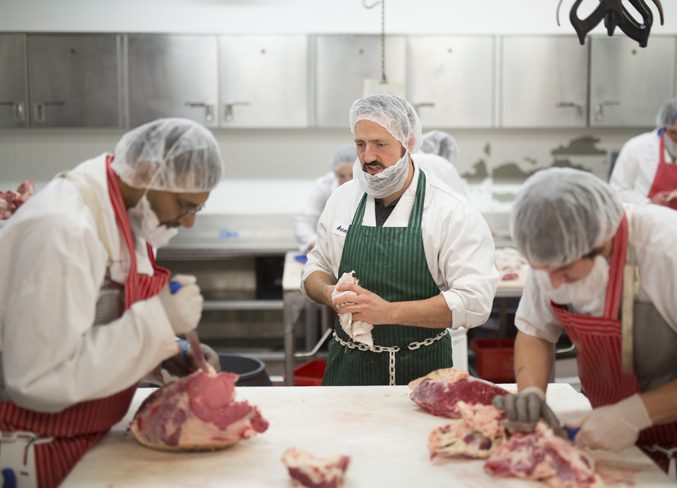
Our Manual Handling Training, customised for the meat industry, are conducted by expert physiotherapists with a detailed understanding of the sector’s specific needs. Complying with rigorous AHPRA standards, our program includes:
Improper manual handling in the meat industry can lead to:
Implementing correct manual handling training delivers significant advantages:
Correct handling techniques can drastically reduce the risk of workplace injuries, promoting a healthier, more active workforce.
Training in line with AHPRA guidelines assists to create a safe working environment and adherence to industry standards.
Efficient manual handling practices can streamline operations, minimise injury-related downtime, and enhance employee satisfaction.
A decrease in workplace injuries can lead to considerable savings in workers' compensation claims, legal fees, and insurance premiums.
Choosing Employ Health’s Manual Handling Training is an investment in the health and productivity of your workforce. Our bespoke, on-site training is crafted to provide your employees with the skills and knowledge necessary for safe and effective workplace practices. Contact us today to integrate Manual Handling Training into your meat industry operations. By investing in this program, you are not only helping ensure the safety and well-being of your employees but also enhancing the overall productivity and sustainability of your business. Contact Employ Health now to bring your Manual Handling Training Program to life.
—Why Onsite Physiotherapy Matters More Than Imaging in Workplace Shoulder Pain
Read moreThe amendments to the Work Health and Safety Regulation 2011 are now in effect. Since 29 July 2025, PCBUs are required to provide mandatory...
Read more–What It Means for Employers, Risk and Prevention
Read moreRead more
Secondary psychological injury often emerges during physical injury recovery — not from the original workplace event, but from uncertainty, leadership response and system design....
Read moreRead more
The People at Work (PAW) survey has been a widely used tool for assessing psychosocial hazards in Australian workplaces. However, Safe Work Australia has...
Read moreAfter a long-awaited two-week vacation, a veteran manufacturing worker returns to the production line feeling refreshed. Within days, he wrenches his back lifting a...
Read moreRead more
On the 24th and 25th of October, the EmployHealth tribe from across Australia and New Zealand came together at Surfing Australia in northern NSW...
Read moreA study from an Australian poultry processing plant found that organisational culture — especially safety climate and disability management practices — had a major...
Read moreA 19-year Swedish study of 200,000+ construction workers has confirmed strong links between repetitive manual work and the need for carpal tunnel surgery. Tasks...
Read moreCan’t find what you’re after?
View all articles