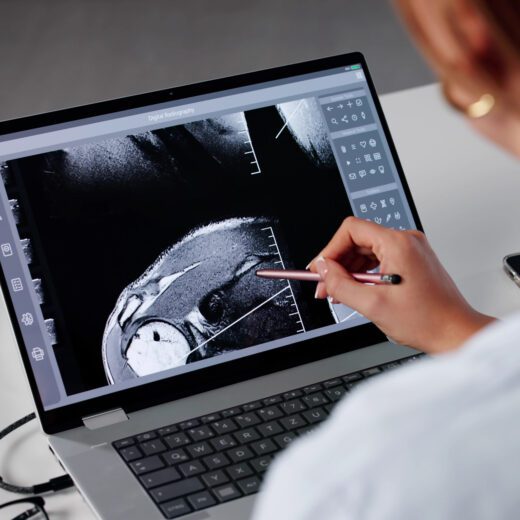
When MRI Findings Don’t Equal Injury
—Why Onsite Physiotherapy Matters More Than Imaging in Workplace Shoulder Pain
Read more
Mental health issues can significantly affect workplace dynamics, productivity, and employee well-being. Stress, anxiety, and depression are among the common mental health challenges that can lead to increased absenteeism, reduced productivity, and higher healthcare costs. By addressing mental health proactively, businesses can create a more supportive and efficient work environment.

Participating in RUOK Day can have profound benefits for businesses. It helps in building a culture of care and support where employees feel valued and understood. This participation not only boosts morale but also enhances employee engagement and retention. Furthermore, it positions the company as a socially responsible organisation, improving its public image and attractiveness to potential talent.
To make the most out of RUOK Day, businesses should consider the following initiatives:
Organise workshops that educate employees on recognising signs of distress, offering support, and understanding mental health better.
Host activities that encourage interaction and open conversations about mental health, such as team lunches or coffee breaks focused on sharing experiences and support.
Implement continuous support mechanisms like peer support groups or regular check-ins beyond just RUOK Day.
For more comprehensive guidance and resources on how to support your workers around RUOK Day and throughout the year, visit the official RUOK website at RUOK.org.au. Here, you’ll find tools and resources tailored to help businesses implement effective mental health strategies and support systems.
RUOK Day is a significant event, but the conversation shouldn’t end there. By embedding mental health awareness into the fabric of your business operations, you can create a healthier, more supportive workplace that benefits everyone involved. Let’s make every day a day to ask, “Are you okay?”
—Why Onsite Physiotherapy Matters More Than Imaging in Workplace Shoulder Pain
Read more
The amendments to the Work Health and Safety Regulation 2011 are now in effect. Since 29 July 2025, PCBUs are required to provide mandatory...
Read more
–What It Means for Employers, Risk and Prevention
Read more
Read more

Secondary psychological injury often emerges during physical injury recovery — not from the original workplace event, but from uncertainty, leadership response and system design....
Read more
Read more

The People at Work (PAW) survey has been a widely used tool for assessing psychosocial hazards in Australian workplaces. However, Safe Work Australia has...
Read more
After a long-awaited two-week vacation, a veteran manufacturing worker returns to the production line feeling refreshed. Within days, he wrenches his back lifting a...
Read more
Read more

On the 24th and 25th of October, the EmployHealth tribe from across Australia and New Zealand came together at Surfing Australia in northern NSW...
Read more
A study from an Australian poultry processing plant found that organisational culture — especially safety climate and disability management practices — had a major...
Read more
A 19-year Swedish study of 200,000+ construction workers has confirmed strong links between repetitive manual work and the need for carpal tunnel surgery. Tasks...
Read moreCan’t find what you’re after?
View all articles