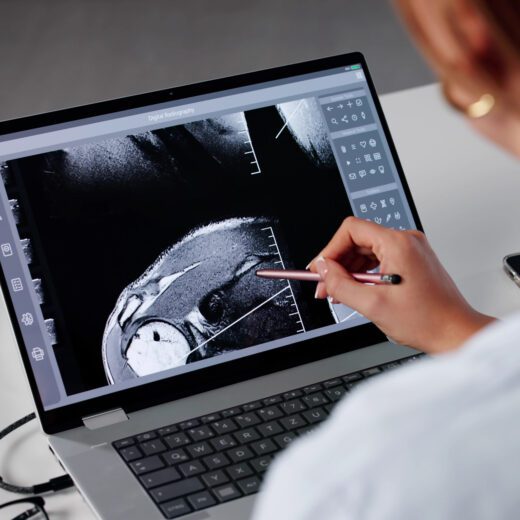
When MRI Findings Don’t Equal Injury
—Why Onsite Physiotherapy Matters More Than Imaging in Workplace Shoulder Pain
Read more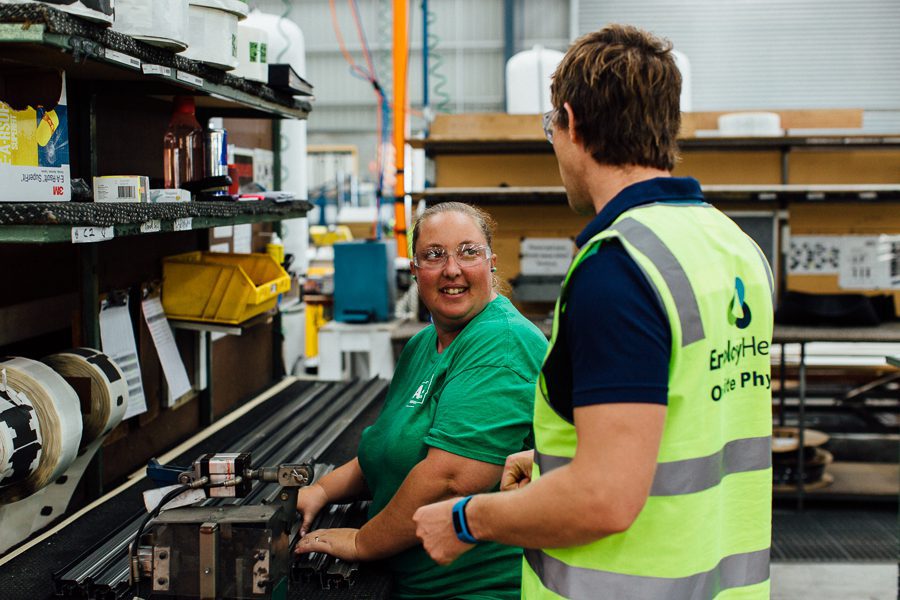
Our team has vast experience working across a wide range of industries, designing and implementing Task Specific Ergonomic Assessments that deliver measurable results across employee health, wellbeing, safety and productivity.
Your Task Specific Ergonomic Assessment for your Sydney based workplace will be designed to meet the unique demands of your workplace, enhance employee techniques and reduce the occurrence of injuries in your workplace – including neck, back, shoulder, hips, wrist, elbow and lower limb injuries.
Our ergonomic assessment on identifying and mitigating the high-risk activities that are part of the tasks your workers are responsible for in your workplace. Assessments includes:
Ensuring that employees are matched correctly to the tasks they are responsible for and maintain the required strength and flexibility to deliver on their responsibilities.
Reviewing and adjusting the current methods used by your Sydney workers when performing their tasks.
Evaluating and adjusting the physical layout of your workers work area.
Through this detailed process, we identify hazards, put strategies in place to minimise risks by implementing effective controls, and set your workers up for success to have a safe, healthy and productive work environment.
Ergonomic hazards in the workplace refer to any physical factors that may lead to injury and musculoskeletal disorders, including:
Tasks such as continuous lifting from lower heights or prolonged periods of repetitive movement can cause injuries to the entire body including shoulder, back, wrists, and elbows.
Remaining in the same position for long periods of time can lead to lower back and leg discomfort or injuries.
Insufficient lighting can cause employees to experience eye strain and headaches, which can negatively impact productivity and increase the likelihood of injuries and errors.
Workstations that are not correctly configured for an individual's body type or job requirements can lead to unnecessary strain, particularly on the neck, shoulders, and upper limbs often resulting in preventable injuries.
Employ Health’s ergonomic assessments will assist your workplace to move closer towards creating a healthier, safer and more productive work environment for your staff.
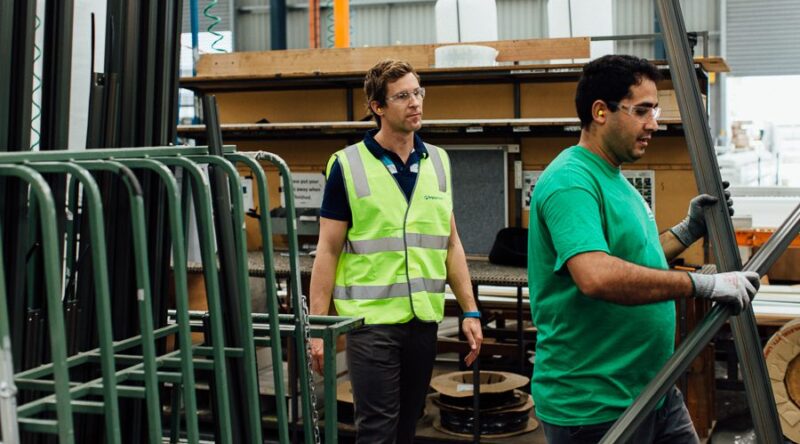
Employ Health designs and implements Task Specific Ergonomic Assessments for Sydney workplaces across:
Identifying and correcting common postural errors to prevent workplace injuries.
Evaluating and improving manual handling techniques to reduce the risk of injury and design safer workplace practices.
Workplace ergonomics is an investment in setting your workers, the work they do and the workplace they do it within, up for success to support your overall business objectives. Investing in ergonomic improvements signals to your staff that their health and comfort are valued. This investment can lead to:
With over ten years experience working with some of Australia and New Zealand’s largest brands, Employ Health is recognised as one of Australia’s leading workplace health and risk management providers. Our commitment to gaining a detailed understanding of our clients business objectives has resulted in program design and delivery that achieves measurable results.
Our belief is that ‘health trumps everything’.
Employ Health provides a wide variety of workplace health solutions from onsite physiotherapy to manual handling training. Some of the other Ergonomic Assessment Services provided include :
Customising workstations to fit the individual’s body size and type, thereby minimising injury risks.
Adjusting the vehicle setup to the driver’s physical dimensions to ensure comfort and reduce the risk of injury.
Partner with Employ Health to set your Sydney based team up for success with your Task Specific Ergonomic Assessments.
—Why Onsite Physiotherapy Matters More Than Imaging in Workplace Shoulder Pain
Read more
The amendments to the Work Health and Safety Regulation 2011 are now in effect. Since 29 July 2025, PCBUs are required to provide mandatory...
Read more
–What It Means for Employers, Risk and Prevention
Read more
Read more

Secondary psychological injury often emerges during physical injury recovery — not from the original workplace event, but from uncertainty, leadership response and system design....
Read more
Read more

The People at Work (PAW) survey has been a widely used tool for assessing psychosocial hazards in Australian workplaces. However, Safe Work Australia has...
Read more
After a long-awaited two-week vacation, a veteran manufacturing worker returns to the production line feeling refreshed. Within days, he wrenches his back lifting a...
Read more
Read more
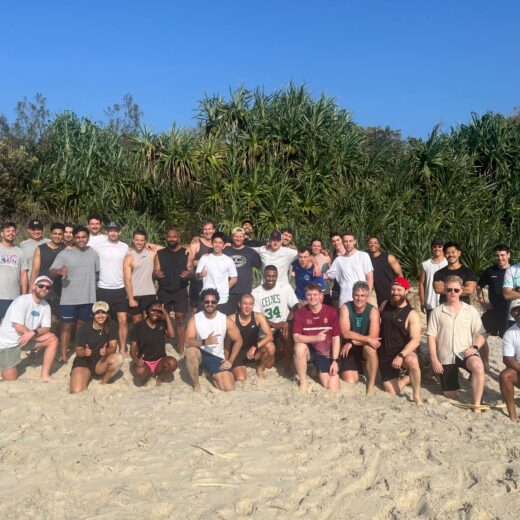
On the 24th and 25th of October, the EmployHealth tribe from across Australia and New Zealand came together at Surfing Australia in northern NSW...
Read more
A study from an Australian poultry processing plant found that organisational culture — especially safety climate and disability management practices — had a major...
Read more
A 19-year Swedish study of 200,000+ construction workers has confirmed strong links between repetitive manual work and the need for carpal tunnel surgery. Tasks...
Read moreCan’t find what you’re after?
View all articles