
Offshore Pre-Employment Screening
From PALMS recruitment hubs in Papua New Guinea and the Solomon Islands to direct hire from China and New Zealand, the medical, impairment and...
Read more

It’s very important to obtain consent before commencing an examination. This can be obtained either by electronic form or paper form.

This includes a wide range of questions including vaccinations, medical history, physical and mental conditions and medications.

This typically includes things like a blood pressure test and skin screening, depending on the specific work requirements and environment of the industry

It’s important to assess the candidate’s neck, shoulders, arms, elbows, wrists, hands, mid/lower back, hips, legs, knees and ankles for any conditions that may impact their ability to perform the role they’re applying for.

This involves testing the candidate’s ability to complete certain compound movements, their balance, and ability to perform postures like squatting and kneeling. This aspect of the assessment is useful in identifying any impairments that could affect their ability to complete certain tasks required by the role.

Assessing the candidate’s upper body strength, grip strength, trunk strength and lifting capacity will give an indication of whether the candidate is physically capable of the role.

This involves adequately testing the candidate’s manual handling ability and ensuring that they meet the requirements for the proposed position.

This may be particularly important for roles requiring the worker to read large amounts, or those that involve dealing with small objects. Having good eyesight can also be important for recognising certain workplace hazards, so it’s important that workers with reduced vision can be referred to a specialist for further examination when any concerns are identified.

Urine or saliva testing may be conducted, depending on the standards and requirements of your industry.

A pre-employment screen is a great time to collect a baseline audiometry assessment for new workers, so any hearing loss over time can be identified during follow-up assessments. For many industries, an audiometry assessment is required within the first three months of employment, with additional assessments at least every two years.

Similar to audiometry, your industry may have initial and follow-up spirometry testing requirements, to identify any decline in a worker’s lung function over time. This is also a common inclusion in a pre-employment screen.
From PALMS recruitment hubs in Papua New Guinea and the Solomon Islands to direct hire from China and New Zealand, the medical, impairment and...
Read more
Delayed reporting is the quietest cost driver in workplace injury management. Here’s what the evidence says, and how Employ Health’s Rapid Response™ program is...
Read more
Three rate rises in five months have pushed money worries to the top of the workforce health agenda. Employ Health CEO Matthew Stewart speaks...
Read more
Why Smoke-Free and Vape-Free Blue-Collar Workplaces Make Business Sense
Read more
Opportunities, Risks & How to Make Sense of It 700+ attendees. 70+ speakers. 30+ exhibitors.
Read more
March marks Sleep Awareness Month.It is a time to reflect on one of the most overlooked factors affecting workplace health, safety and productivity: sleep.
Read more
Why overlapping work activities can create hidden safety risks
Read more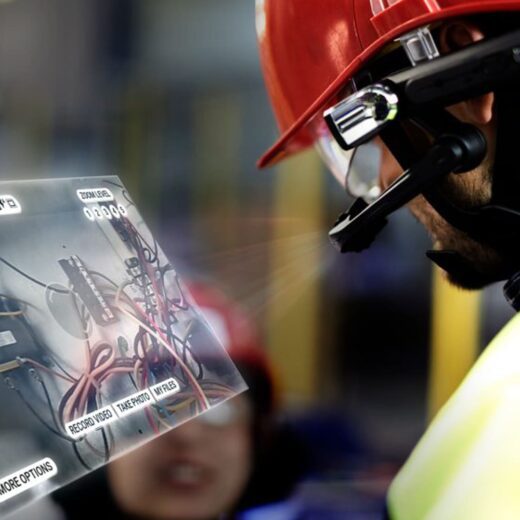
What the Latest FDA Update Means for Employers and Health Professionals
Read more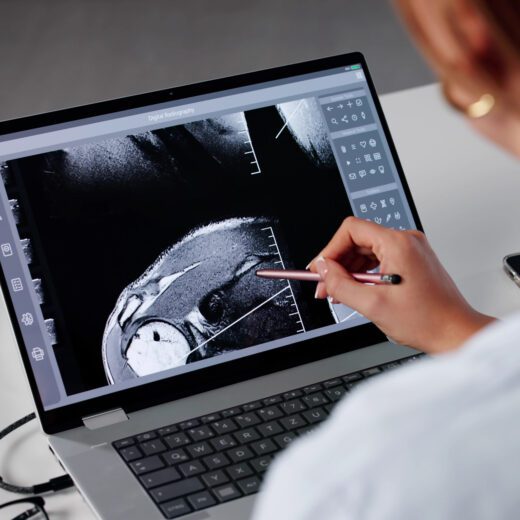
—Why Onsite Physiotherapy Matters More Than Imaging in Workplace Shoulder Pain
Read more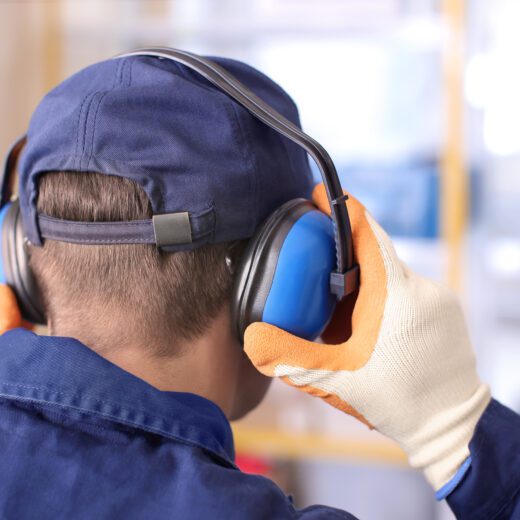
The amendments to the Work Health and Safety Regulation 2011 are now in effect. Since 29 July 2025, PCBUs are required to provide mandatory...
Read more
–What It Means for Employers, Risk and Prevention
Read more Read more
Can’t find what you’re after?
View all articles