 Onsite Physiotherapy
How Much Does an Onsite Physiotherapist Cost?
How Much Does Onsite Physiotherapy Cost? If you’ve searched this question, you’ve probably already spoken to a few providers and come away more confused than...
Read more
Musculoskeletal disorders are a priority in managing workplace injuries as they often contribute to a large number of injuries and are preventable. Some businesses might be at higher risk of musculoskeletal injuries in the workplace with high levels of manual handling work and low opportunities for task rotation.
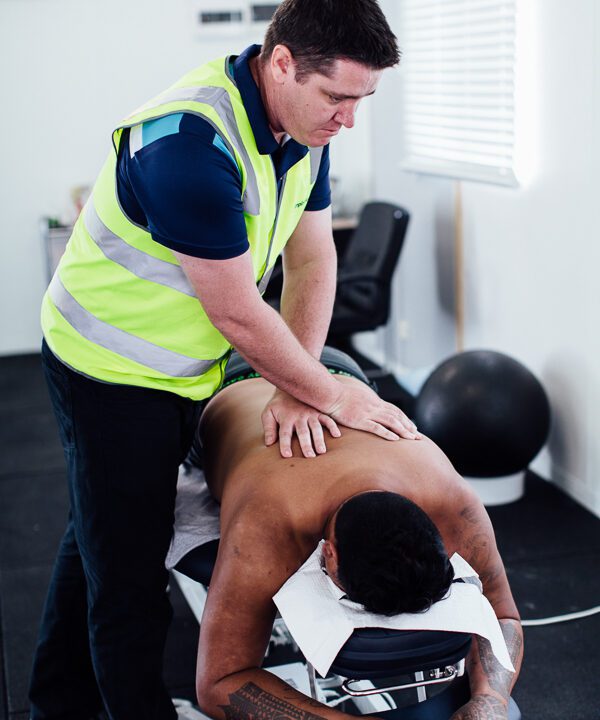
Musculoskeletal conditions comprise more than 150 conditions that affect the locomotor system of individuals. They range from those that arise suddenly and are short-lived, such as fractures, sprains and strains, to lifelong conditions associated with ongoing functioning limitations and disability.
Musculoskeletal conditions are typically characterised by pain (often persistent) and limitations in mobility, dexterity and overall level of functioning, reducing people’s ability to work. Musculoskeletal conditions include conditions that affect:
Musculoskeletal conditions are also the highest contributor to the global need for rehabilitation. They are among the largest contributors to the need for rehabilitation services among children and account for approximately two-thirds of all adults in need of rehabilitation.
Certain workplace conditions, for example, the layout of the workstation, the speed of work (especially in conveyor-driven jobs), and the weight of the objects being handled influence these factors. In other situations, the psychosocial factors at the workplace may contribute to WMSDs. It is recommended that both physical and psychosocial factors be addressed.
Repetitive movements are especially hazardous when they involve the same joints and muscle groups over and over and when we do the same motion too often, too quickly and for too long. Work involving movement repeated over and over is very tiring because the worker cannot fully recover in the short periods of time between movements. Eventually, it takes more effort to perform the same repetitive movements. When the work activity continues in spite of the fatigue, injuries can occur.
With more employees sitting longer at computers and other workstations, this is more important than ever to avoid chronic health issues. Ultimately, adjusting office ergonomics is a way to keep your employees safe. If your workers don’t have safe, effective equipment to work with — like a comfortable chair or a back brace — it can lead to a hurting, less productive employee.
Poor posture, in particular, can cause a multitude of health issues as it puts extra stress on joints and muscles. This leads to overwork and fatigue, which can cause chronic pain. As a result, musculoskeletal disorders (MSDs) may pop up — like tendonitis or carpal tunnel. These disorders can impact muscles, blood vessels, nerves, ligaments, and tendons.
Pressure at the workplace is unavoidable due to the demands of the contemporary work environment. Pressure perceived as acceptable by an individual may even keep workers alert, motivated, able to work and learn, depending on the available resources and personal characteristics. However, when that pressure becomes excessive or otherwise unmanageable it leads to stress. Stress can damage an employees’ health and degrade business performance.
Low job control can be characterised by situations where:
Fill out the form below to get started, or call us on 1300 367 519.
Workplace Musculoskeletal injuries can occur due to both psychosocial and physical stresses, both of which need to be addressed through a holistic program.
At Employ Health we offer a range of services which can assist with managing and preventing your workplace musculoskeletal injuries, below are a few examples:

Ergonomic assessments can reduce the chance of injuries occurring, by ensuring that workers are using correct manual handling and ergonomic techniques. Often by addressing a workers movement habits or postures we can assist in offloading or correctly using particular muscles, which might be contributing to the musculoskeletal injury.
Read more Early intervention physiotherapy can assist in managing workplace musculoskeletal injuries by ensuring the correct Physiotherapy treatment and exercises are prescribed at the right time, ensuring workers duties are appropriate and non-aggravating, as well as working on prevention and functional strength with individuals
Read more Psychological risk assessment tools can be conducted by EmployHealth physiotherapists in order to assist in understanding where risk may be present and best address interventions.
Read moreMusculoskeletal disorders can be prevented by ensuring improved work techniques and analysing tasks with risk assessments utilising the hierarchy of controls. Proper stretching and dynamic warm ups can assist with reducing injury, managing and intervening with injuries early on can assist in ensuring the proper recovery and preventing re aggravation. Education and manual handling training/office ergonomics can also assist in reducing injury rates.
Musculoskeletal injuries can be caused by a range of factors including bone fractures, joint dislocation (when something forces a joint out of its proper position), direct blows to muscles, bones or joints, overuse injuries, repetitive sprains and strains and poor posture.
Musculoskeletal injuries can often lead to claims and reduce workers productivity and increase absenteeism.
Onsite Physiotherapy
How Much Does Onsite Physiotherapy Cost? If you’ve searched this question, you’ve probably already spoken to a few providers and come away more confused than...
Read more Explainable AI
Explainable AI : If Your AI Can’t Explain Itself, You’re the One Liable By Employ Health | Workplace Health & Safety Artificial intelligence is moving fast...
Read more Toolbox Talks
Simple techniques to make toolbox talks more engaging, encourage participation, and help important safety messages cut through workplace autopilot. Every Conversation Shapes Your Culture: How to...
Read more WHS
WHS
Remote Work, Isolation, and Mental Health Most Australian businesses have done the work on remote work ergonomics. Standing desks, monitor heights, chair assessments — the...
Read more Workforce Risk Intelligence
The Future of Pre-Employment Screening For decades, pre-employment assessments have largely been descriptive: They document baseline function. They confirm compliance. They tell you whether someone meets minimum role...
Read more
AI in workplace health: The High Cost of Workplace Injuries and the Need for Innovation Workplace injuries carry a tremendous human and financial cost. In...
Read more
Contractor vs full-time workplace health is a decision many organisations make based on hourly rates alone. But when you look beyond the upfront cost,...
Read more
From PALMS recruitment hubs in Papua New Guinea and the Solomon Islands to direct hire from China and New Zealand, the medical, impairment and...
Read more
Delayed reporting is the quietest cost driver in workplace injury management. Here’s what the evidence says, and how Employ Health’s Rapid Response™ program is...
Read more
Three rate rises in five months have pushed money worries to the top of the workforce health agenda. Employ Health CEO Matthew Stewart speaks...
Read more
Why Smoke-Free and Vape-Free Blue-Collar Workplaces Make Business Sense
Read more Opportunities, Risks & How to Make Sense of It 700+ attendees. 70+ speakers. 30+ exhibitors.
Read moreCan’t find what you’re after?
View all articles