 Injury Risk
How Psychosocial Hazard Leads to Physical Injury
High job demands, fatigue and poor sleep raise the risk of musculoskeletal injury. Learn how psychosocial hazards cause physical harm and how to manage...
Read more
This condition arises from the repetitive overhead arm activities, leading to inflammation and pain in the shoulder tendons.
Constant pressure and overuse can cause the bursae, small fluid-filled sacs that cushion the shoulder joint, to become inflamed.
Frequent heavy lifting can result in strains to the shoulder muscles.
Also known as adhesive capsulitis, this condition is characterised by stiffness and pain in the shoulder joint, often due to lack of movement or a previous injury that hasn't been properly addressed.
Employ Health provides onsite physiotherapy services designed to tackle the root causes of shoulder-related problems in the workplace. Our physiotherapists work directly within the meat processing environment to offer immediate pain relief, targeted rehabilitation exercises, and strategies for injury prevention.
Early signs of musculoskeletal issues shouldn’t be ignored. Our early intervention program focuses on identifying the initial symptoms and addressing them promptly, thereby reducing the risk of more severe injuries and the need for prolonged treatment.
Our comprehensive pre-employment screening helps to ensure that new hires are physically capable of meeting the demands of their role. This proactive approach minimises the risk of injury by matching physical capabilities with job requirements from day one.
For workers who have sustained an injury, Employ Health offers robust rehabilitation programs tailored to the individual’s needs. Our goal is not only to alleviate pain but to restore full function and strength, ensuring a safer and quicker return to work.
We assess and align the physical demands of specific job roles with the capabilities of employees. This helps in minimising the mismatch that often leads to musculoskeletal disorders, particularly in the shoulder.
Employ Health conducts detailed ergonomic assessments to identify risk factors inherent in job tasks. Our recommendations for modifications and the use of assistive devices aim to reduce the strain on workers’ shoulders, thus preventing injury.
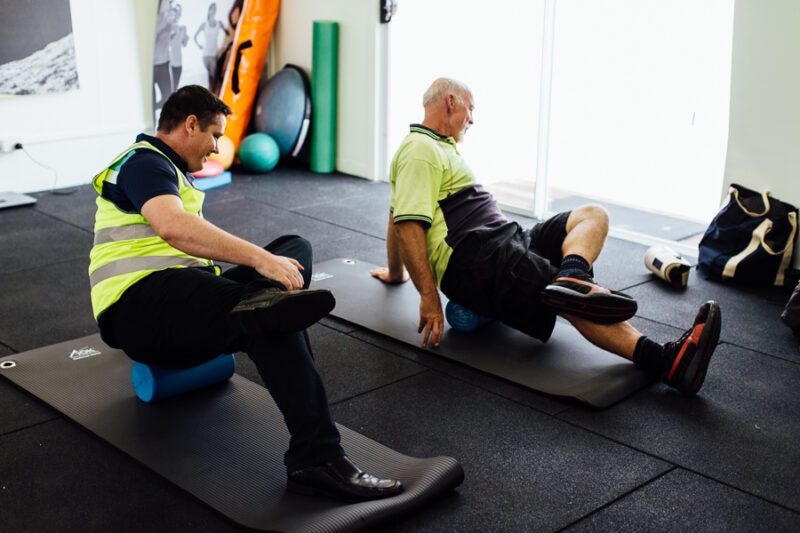 Injury Risk
High job demands, fatigue and poor sleep raise the risk of musculoskeletal injury. Learn how psychosocial hazards cause physical harm and how to manage...
Read more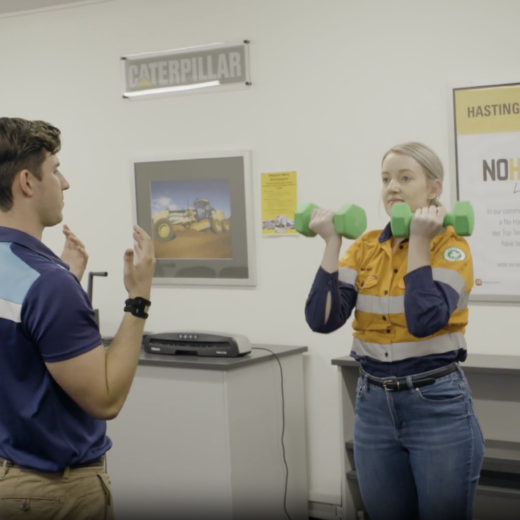 Onsite Physiotherapy
Resistance Training for Office Workers Can Resistance Training for Office Workers fix desk-job aches? A new systematic review and meta-analysis in the Journal of Occupational Rehabilitation...
Read more Onsite Physiotherapy
Musculoskeletal disorder prevention: Learn 4 Ways to Optimise Your Manual Handling Program Musculoskeletal disorders (MSDs) remain one of the largest health and safety problems in Australian...
Read more Onsite Physiotherapy
How Much Does Onsite Physiotherapy Cost? If you’ve searched this question, you’ve probably already spoken to a few providers and come away more confused than...
Read more Explainable AI
Explainable AI : If Your AI Can’t Explain Itself, You’re the One Liable By Employ Health | Workplace Health & Safety Artificial intelligence is moving fast...
Read more Toolbox Talks
Simple techniques to make toolbox talks more engaging, encourage participation, and help important safety messages cut through workplace autopilot. Every Conversation Shapes Your Culture: How to...
Read more Work Policy
Remote Work, Isolation, and Mental Health Most Australian businesses have done the work on remote work ergonomics. Standing desks, monitor heights, chair assessments — the...
Read more Pre-Employment Screening
The Future of Pre-Employment Screening For decades, pre-employment assessments have largely been descriptive: They document baseline function. They confirm compliance. They tell you whether someone meets minimum role...
Read more
AI in workplace health: The High Cost of Workplace Injuries and the Need for Innovation Workplace injuries carry a tremendous human and financial cost. In...
Read more
Contractor vs full-time workplace health is a decision many organisations make based on hourly rates alone. But when you look beyond the upfront cost,...
Read more
From PALMS recruitment hubs in Papua New Guinea and the Solomon Islands to direct hire from China and New Zealand, the medical, impairment and...
Read more
Delayed reporting is the quietest cost driver in workplace injury management. Here’s what the evidence says, and how Employ Health’s Rapid Response™ program is...
Read moreCan’t find what you’re after?
View all articles