
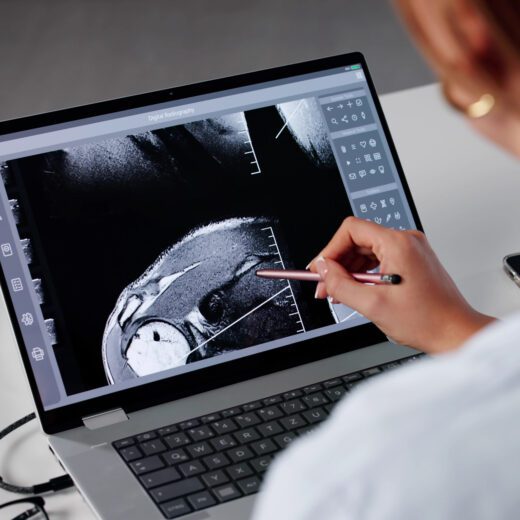
When MRI Findings Don’t Equal Injury
—Why Onsite Physiotherapy Matters More Than Imaging in Workplace Shoulder Pain
Read more
Alcohol consumption is a major public health issue in Australia. Nearly 1 in 4 Australians drink at levels that place them at risk of harm over their lifetime. In the workplace, alcohol-related harm can impact productivity, absenteeism, presenteeism, safety, and mental health.
Creating an environment that encourages awareness and low-risk drinking habits can directly improve employee wellbeing, reduce risk, and enhance your team culture.

Dry July is a fundraising campaign that challenges Australians to go alcohol-free for the month of July. Participants raise money to support people affected by cancer while also reaping the health benefits of taking a break from drinking.
These benefits can include:
Dry July is also a great opportunity to reflect on drinking habits and reset social norms around alcohol.
As an employer, you play a vital role in creating a supportive environment that helps employees stick with their Dry July goals. Here are some ways to do that:

Make space in internal communications for Dry July shoutouts or goal-setting, but always keep it voluntary.

Replace Friday drinks with team breakfasts, mocktail afternoons, or wellness-themed activities. A small change in social rituals can make a big difference.

Help your team understand the impact of alcohol through awareness materials and relevant health messaging.

If your team is raising funds, consider matching donations or showcasing employees' fundraising pages internally.

Dry July can stir up all sorts of thoughts around health, lifestyle, and mental wellbeing. Encourage open dialogue and offer access to confidential support services or workplace health consultations if needed.
At Employ Health, we work with businesses around Australia to improve workplace wellbeing, reduce health risks, and create supportive, healthy environments. Dry July is one small but powerful way your business can start that conversation.
If you’re interested in running a workplace health campaign, or want to find out more about our Onsite Physiotherapy, or Alcohol Awareness education, get in touch with our team today.
—Why Onsite Physiotherapy Matters More Than Imaging in Workplace Shoulder Pain
Read more
The amendments to the Work Health and Safety Regulation 2011 are now in effect. Since 29 July 2025, PCBUs are required to provide mandatory...
Read more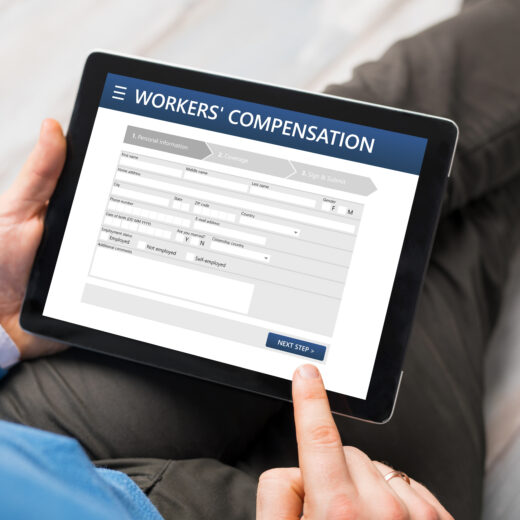
–What It Means for Employers, Risk and Prevention
Read more
Read more

Secondary psychological injury often emerges during physical injury recovery — not from the original workplace event, but from uncertainty, leadership response and system design....
Read more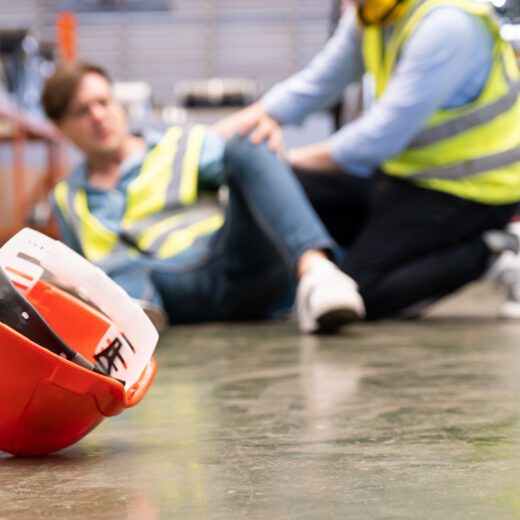
Read more

The People at Work (PAW) survey has been a widely used tool for assessing psychosocial hazards in Australian workplaces. However, Safe Work Australia has...
Read more
After a long-awaited two-week vacation, a veteran manufacturing worker returns to the production line feeling refreshed. Within days, he wrenches his back lifting a...
Read more
Read more
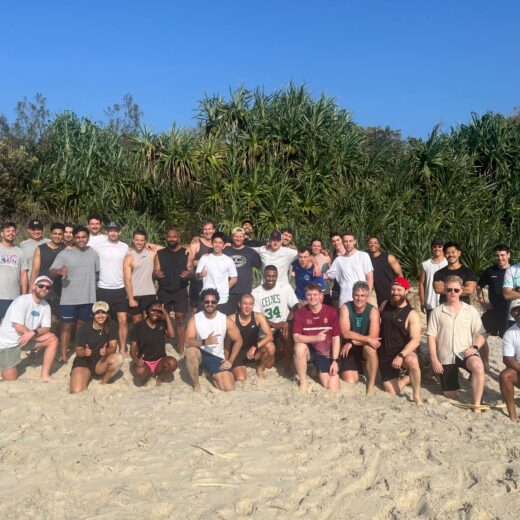
On the 24th and 25th of October, the EmployHealth tribe from across Australia and New Zealand came together at Surfing Australia in northern NSW...
Read more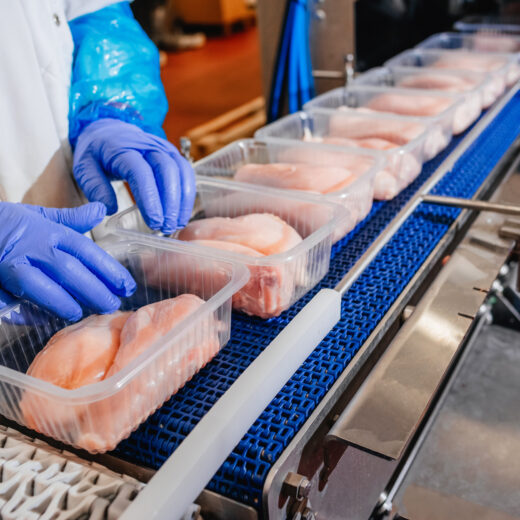
A study from an Australian poultry processing plant found that organisational culture — especially safety climate and disability management practices — had a major...
Read more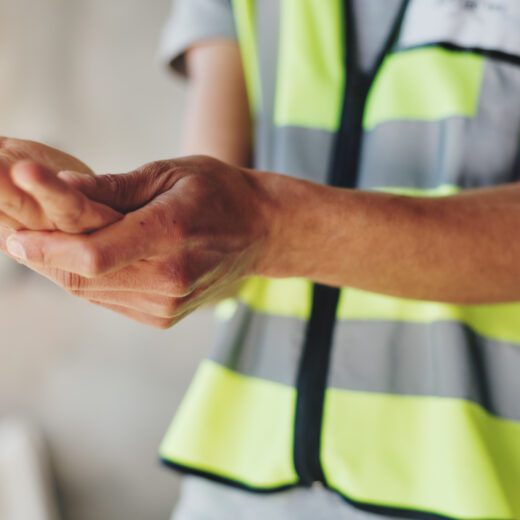
A 19-year Swedish study of 200,000+ construction workers has confirmed strong links between repetitive manual work and the need for carpal tunnel surgery. Tasks...
Read moreCan’t find what you’re after?
View all articles